The dual nature of rip currents presents a fascinating dynamic for surfers and beachgoers alike: while they can serve as an invaluable aid in navigating tumultuous waters, these same currents can also pose significant threats to those unprepared for their strength. The 2023 summer season has prompted renewed emphasis on the need for awareness and education regarding rip currents, as they remain one of the leading causes of rescues at beaches globally.
The Mechanics of Rip Currents
Rip currents are fast-moving channels of water that flow away from the shoreline, often formed by a complex interplay of wave patterns. They manifest when differing wave strengths collide, creating a surge of water that seeks a path back to deep water, often squeezing through sandbars or gaps in rock formations. This natural phenomenon can lead to flows that exceed the speed of elite athletes, making it essential for swimmers and surfers to recognize the indicators before venturing into the water.
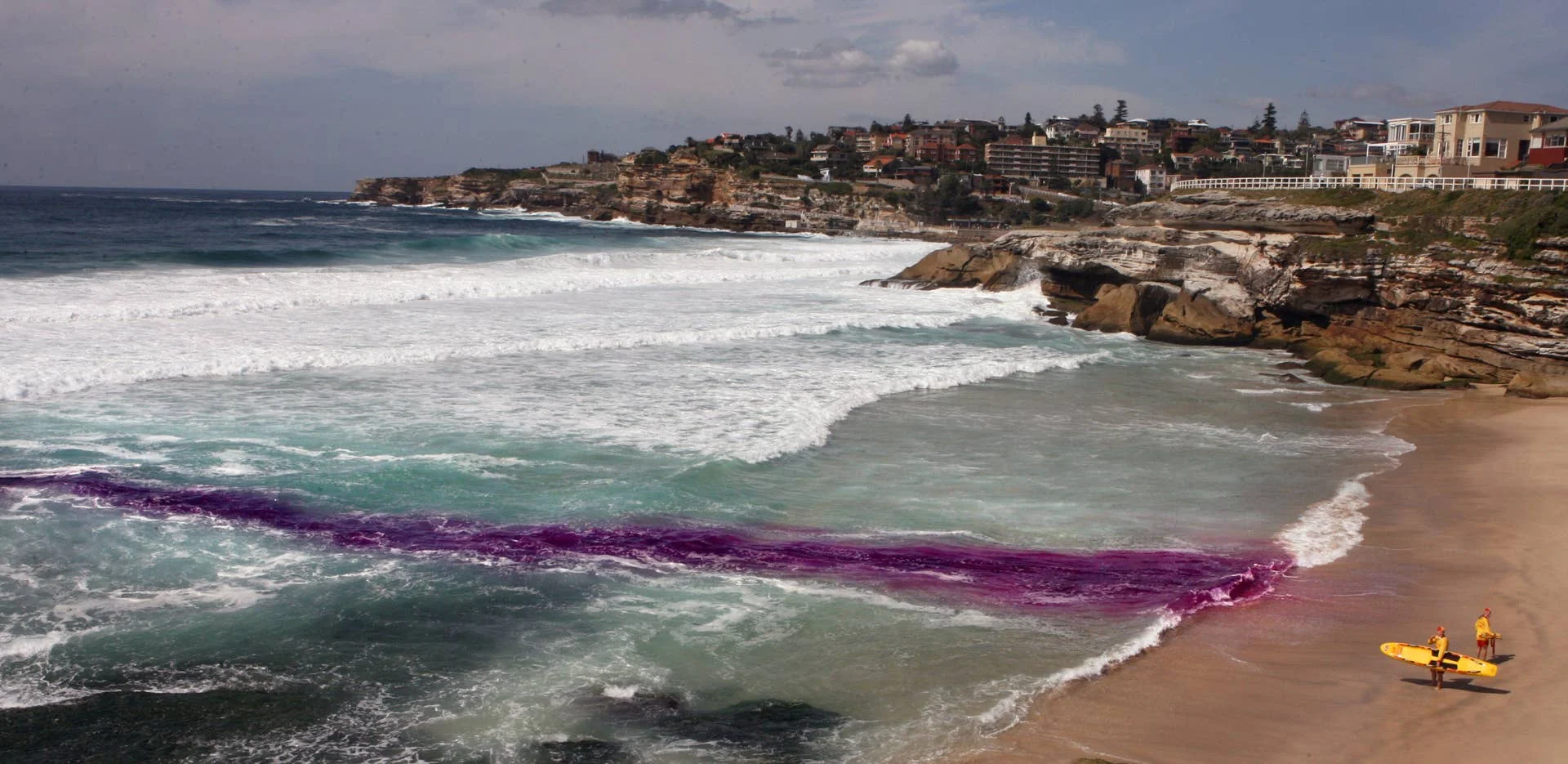
Identifying Rip Currents
To enhance safety, being able to spot a rip current is indispensable. Elevated views of the beach can be especially helpful; observers should look for narrow, choppy sections of water amidst generally smooth waves. Rip currents often influence the water color too, creating darker channels in contrast to the surrounding frothy surf. These currents can also be most pronounced near structures like jetties and piers, where they may provide a legitimate route for experienced surfers to bypass challenging wave conditions.
If you find yourself in the water and feeling the tug of a rip current, the instinct may be to fight against the pull, but this can lead to rapid exhaustion. Instead, positioning yourself parallel to the shore and paddling towards the side is far more effective. This lateral movement allows a swimmer to escape the current's grip without unnecessary fatigue.
What to Do When Caught in a Rip Current
Understanding how to react if caught in a rip current is vital. Swimming directly towards the shore is futile and can be dangerous. Instead, maintaining composure and paddling sideways is crucial. Most currents typically span widths from five to 25 meters, so an effective paddle to safety isn’t as daunting as it may seem. If physical exertion becomes overwhelming, floating or signaling for assistance are valid options, emphasizing the importance of safety and smart decision-making in critical moments.
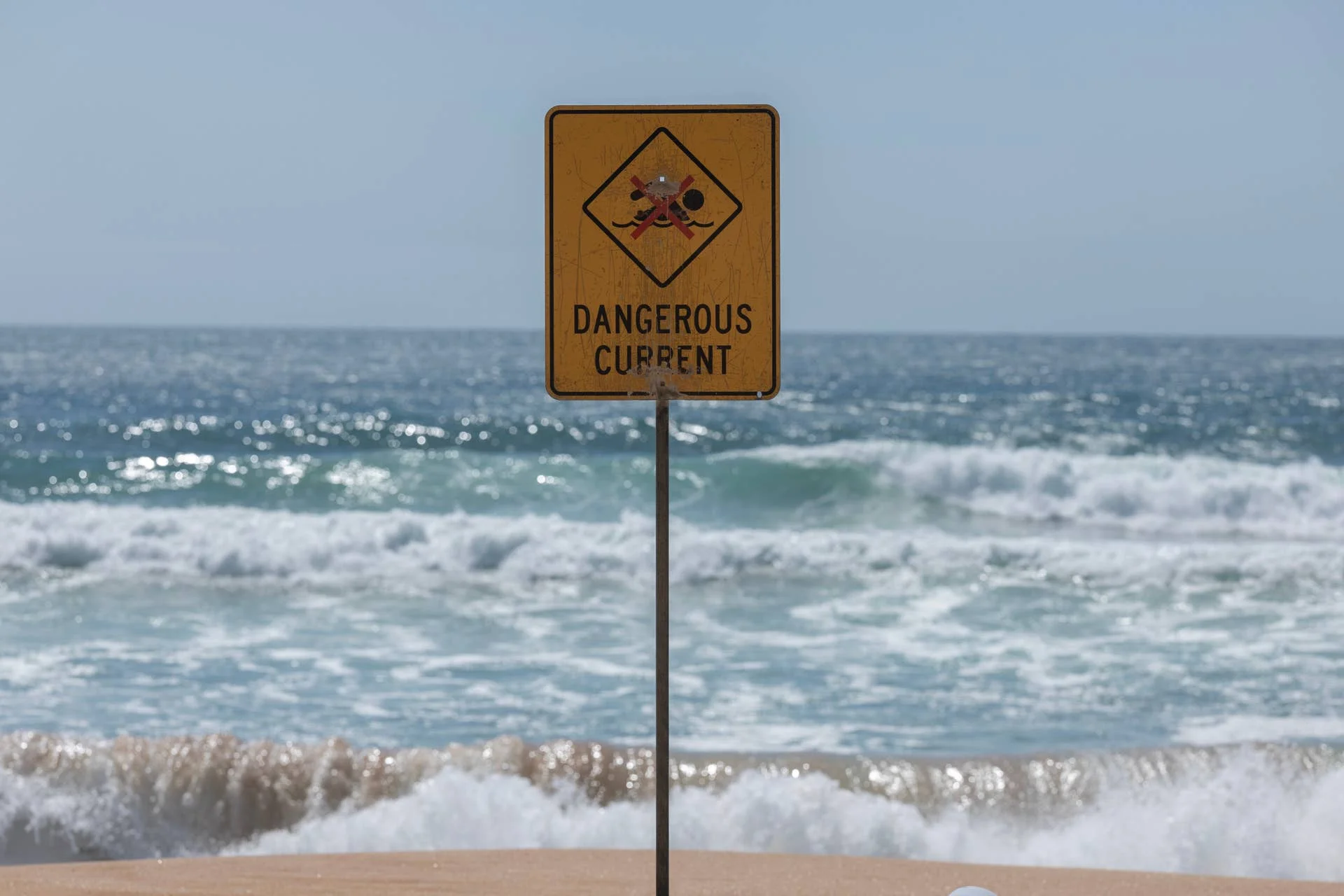
Photo: Steve Christo - Corbis/Corbis via Getty Images.
Rescue Scenarios and Best Practices
When witnessing someone else struggling against a rip current, a dangerous urge might compel individuals to intervene. While acting heroically is commendable, a better course is to alert lifeguards when possible. If lifeguards are unavailable and familiarity with the beach exists, aiding the distressed swimmer may warrant action. Calmly guiding them parallel to the shore on a surfboard can mitigate risk for both parties.
Certain beaches, particularly renowned surfing spots like Nazare in Portugal, can harbor perilous currents that unexpectedly sweep unsuspecting swimmers to dangerous depths. Despite robust safety measures in place, tragedies do occur, underscoring the importance of ongoing education and vigilance regarding rip currents.
Respecting the Ocean
Ultimately, respecting the ocean and understanding its dynamics is crucial for all water enthusiasts. Rip currents should be approached with a blend of caution and pragmatism. For seasoned surfers, these currents can act as an efficient route to the lineup, but recognizing their potential dangers remains paramount. The conversation surrounding rip currents isn't merely one of risk; it's an invitation to engage more deeply with the ocean's unpredictable nature, fostering both respect and understanding.
If you're actively involved in coastal activities, consider investing time in education programs focused on rip current safety. Engaging in community awareness initiatives can bolster overall beach safety, benefiting everyone drawn to the allure of ocean recreation.