Barcelona’s triumph over Real Madrid last Sunday not only clinched their second consecutive La Liga title but also marked an essential shift in Spanish football dynamics, highlighting systemic issues within the Madrid club. The team already sitting atop a 14-point lead, sealed the championship with a 2-0 victory at Camp Nou, thanks to goals from Marcus Rashford and Ferran Torres. The significance of this win extends far beyond the scoreline; it subtly underscores the transition in power from the Bernabéu to Catalonia.
A Title Won in Emotion
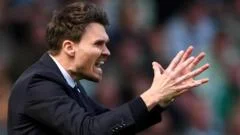
Barcelona coach Hansi Flick’s emotional day was underscored by the passing of his father just hours before kickoff. His players donned black armbands in a show of solidarity, setting the tone for a match charged with raw emotion. “I will never forget this day,” an emotional Flick said post-game. “It starts with this (news that) my father passed away, but here, my team is fantastic.” His reflection reveals a deeper narrative about the importance of unity and resilience in sports, particularly during tough personal times.
Madrid’s Ongoing Troubles
The defeat marked yet another low point for Real Madrid, who now face widespread criticism for their failure to secure any major titles this season, the second consecutive year in which this has occurred. Meanwhile, Barcelona continues to flourish, having also won the Spanish Super Cup this campaign. Madrid, historically the most decorated club in La Liga with 36 titles, is now grappling with an identity crisis that raises questions about their future direction. The shake-up in coaching, with Álvaro Arbeloa taking the lead after the dismissal of Xabi Alonso, hasn’t helped, and Sunday’s performance only amplified doubts regarding his tactical approach and ability to inspire the team.
Disruptions Beyond the Pitch
The backdrop to the match included a week fraught with internal discord among Madrid players, culminating in hefty fines levied against Federico Valverde and Aurélien Tchouaméni—500,000 euros each—for their training ground altercations. This discord showcases deeper issues within the team's culture and morale, painting a picture of a club in disarray. The tensions were not limited to these players; other reports indicate that clashes occurred between teammates like Álvaro Carreras and Antonio Rüdiger. These incidents reveal a lack of cohesion that could have tangible effects on performance.
Key Player Absences
Barcelona's journey to this title was not without its challenges, including the absence of key player Lamine Yamal due to injury. However, they maintained strong performances, winning 11 consecutive league games leading up to the match. In stark contrast, Madrid missed star forward Kylian Mbappé, whose 24 goals made him a critical component of their offensive strategy. His inability to recover from injury has reportedly fueled rumors among fans questioning his commitment, especially with World Cup preparations looming.
Looking Ahead
This shift in dominance isn't merely a temporary triumph; it signals potential long-term changes in La Liga’s elite. What is particularly striking is how Barcelona has thrived while Madrid seems mired in controversy and internal conflict. With Barcelona collecting trophies and accolades at an impressive pace, the need for proactive structural changes within Real Madrid becomes apparent. The crux of the issue raises a fundamental question: Can Madrid regain its former glory in an atmosphere riddled with discontent and disunity?
As La Liga enters a critical transitional phase, Barcelona's victory is indicative of a broader narrative—an opportunity for rival clubs to reassess their strategies and navigate an evolving football culture. The implications of this season resonate beyond titles, inviting stakeholders to consider the dynamics of squad unity, player roles, and club identity. For those in the industry, the evolution of these key players and coaching decisions will be crucial to watch, hinting at the changing tides in one of football's most storied rivalries.