At these northern breaks, the cold shapes every part of a surf session: what you wear, how you get there and how long you can stay in the water. Alaska, Kamchatka, Norway’s Lofoten Islands and Iceland each offer a different draw, from remote Pacific swells to dramatic beach and point breaks. Water temperatures cited for these spots range from near freezing to 41°F (5°C), making a 5mm or 6mm wetsuit, hood and booties basic equipment for many surfers.
Alaska: remote breaks and open Pacific swell
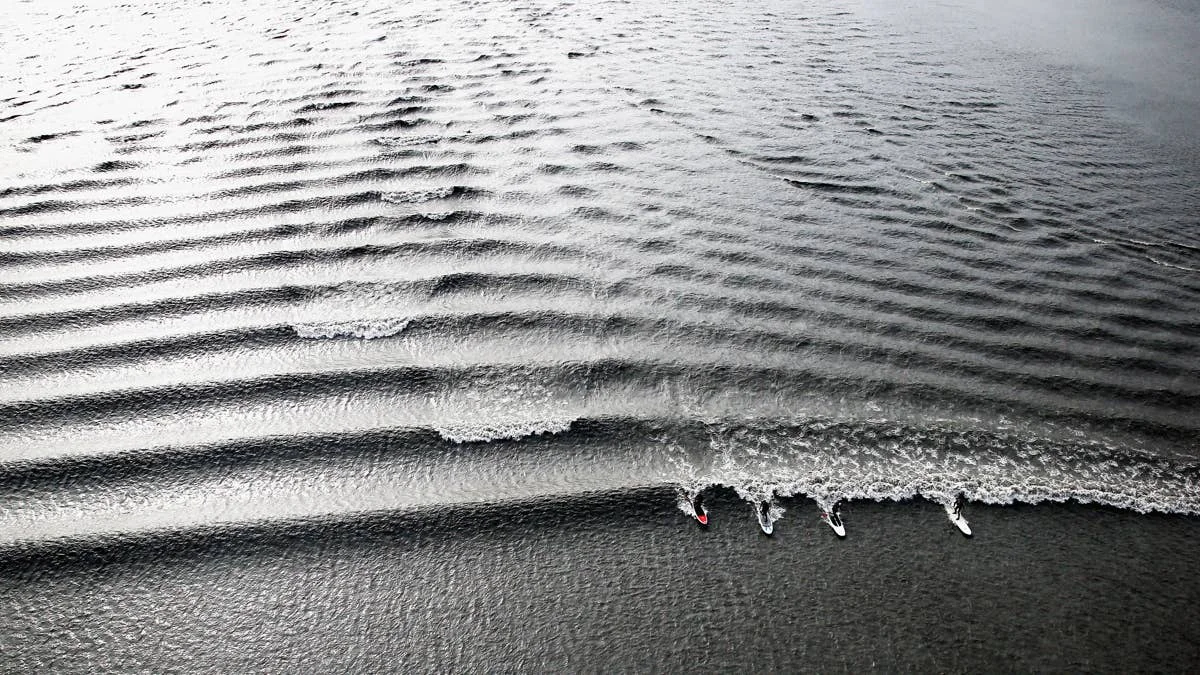
Alaska’s water temperatures typically sit between 35°F and 41°F (2°C to 5°C), and its surf remains among the most remote in the world. Yakutat, near the British Columbia and Yukon borders on the Gulf of Alaska, has one of the state’s best-known surf communities. It’s small: around 30 surfers live in the area.
Farther west, the Aleutian Islands stretch roughly 2,000 kilometers into the Pacific. Their exposure to ocean swell and sparse interruptions make the chain a compelling prospect for surf exploration. Ben Weiland and Chris Burkard have helped document the region; Weiland’s The Cradle of Storms was a SURFER project in 2014.
The cold adds practical weight to an already demanding trip. A 6mm suit is a sensible choice, and surfers may need extra volume in their boards to compensate for the weight of their equipment.
Kamchatka: a powerful break in freezing water
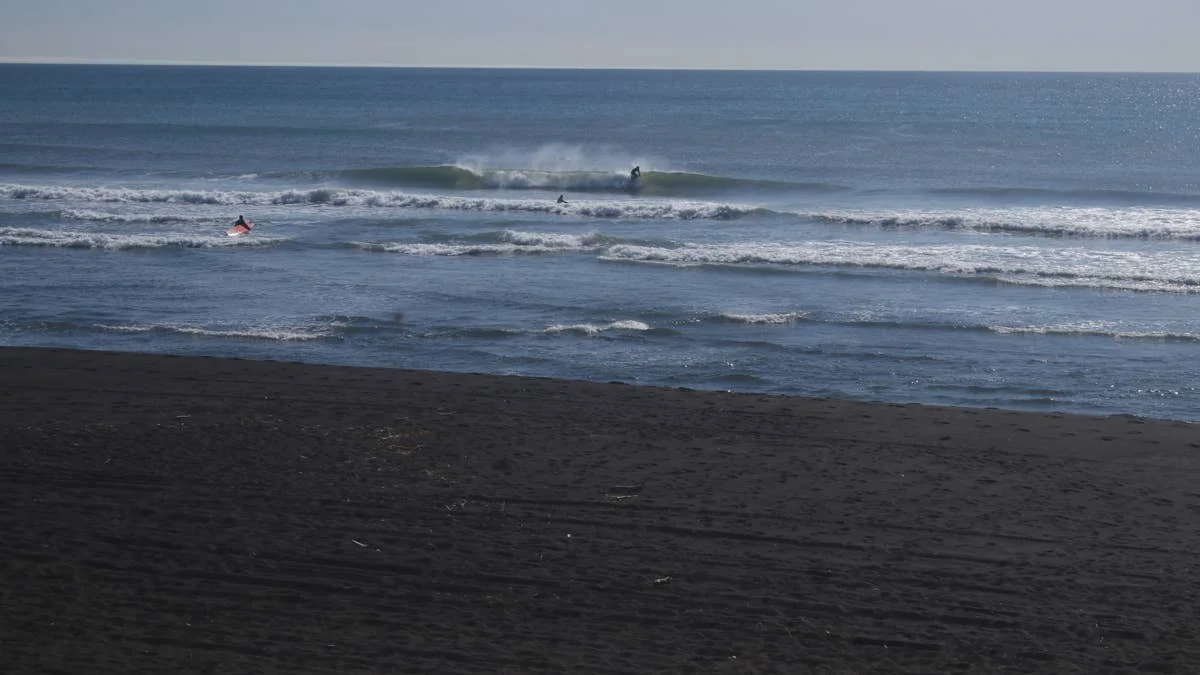
Across the Aleutians, Russia’s Kamchatka Peninsula is colder still, with water temperatures reported at 32°F to 39°F (0°C to 4°C). At Khalaktyrsky Beach, a 30-kilometer stretch of black volcanic sand on the Pacific coast, a strong beach break can produce fast, hollow sections. The waves can handle size when swell arrives, but conditions call for careful timing.
A 6mm wetsuit is essential here. So is awareness of the surroundings: Kamchatka has one of Earth’s densest brown bear populations, and bears roam the coast in search of food.
Lofoten: a tiny village with serious waves
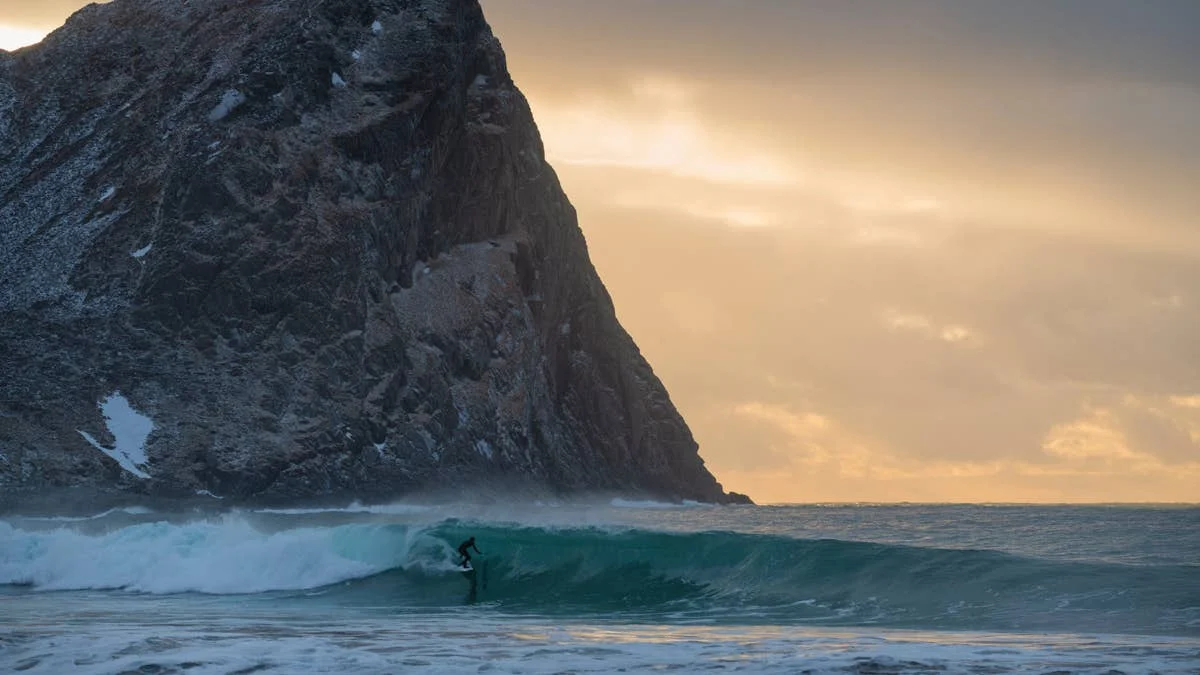
On the Norwegian island of Vestvågøya, Unstad is a remote village of just 13 year-round residents, surrounded by a standout point break and other surf setups. Water temperatures of 39°F to 41°F (4°C to 5°C) are comparatively mild among these destinations, though Arctic storms and cold offshore winds can make getting out of the water punishing.
Swedish surfer Tim Latte has been based in the area and exploring farther north along Norway’s coast. For visiting surfers, reaching Unstad is part of the trip: fly to Oslo, connect to Leknes Airport, then make the roughly 25-minute journey to the village. Driving offers a dramatic arrival through a tunnel onto Unstadveien, where the coast opens into view.
Iceland: varied breaks along a storm-exposed coast
Iceland’s water temperatures range from 35°F to 41°F (2°C to 5°C). Black volcanic beaches, point breaks and beach breaks are spread along a coastline traced by the country’s ring road, while storms arriving from the west can generate powerful surf on the southern flank.
The capital, Reykjavík, has frequent flights, making Iceland one of the more accessible destinations on this list. Its surf community remains small but is growing, and a range of breaks gives visiting surfers options across miles of coast. The conditions still demand preparation: winter brings a sharp change from the green hills and waterfalls seen in spring.
These destinations reward surfers willing to plan around cold, distance and weather. The right suit gets you into the water; local knowledge and careful timing determine how much of the session you can make of it.


