Surfers can spot coastal change as it happens. A new study suggests those observations could help protect more than waves: of 57 globally significant surf breaks assessed, 89% face medium or high risk because their shorelines have limited resilience.
Published in the journal Climate Change, the research draws on assessments by more than 200 local surfers. The breaks span eight countries and include all but two of the 13 World Surfing Reserves. That reach gives the findings weight beyond a handful of famous spots: many of the sites already recognized for their cultural and environmental value are exposed to coastal change.
MediaNews Group/Orange County Register via Getty Images / Getty Images
Risk to shorelines and seabeds
Limited shoreline resilience is the leading concern in the assessment. Rising sea levels put 79% of the breaks at medium or high risk, while 75% face similar risk from changes to seafloor composition and sediment movement.
The hazards matter because surf breaks depend on a precise mix of oceanographic conditions. “Surf breaks are incredibly unique oceanographic phenomena. A confluence of many factors that fit together just right to make the wave happen, and so those processes are really sensitive,” said study coauthor Dan Reineman, an associate professor at California State University Channel Islands.
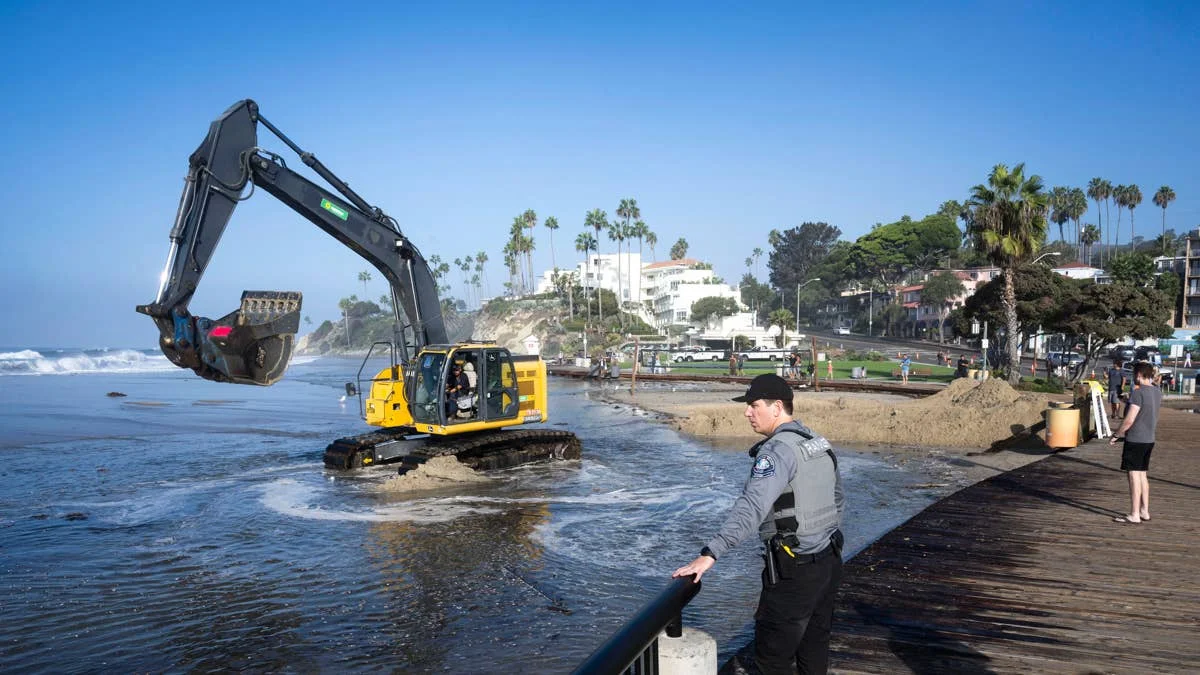
The researchers identified Croyde in the UK, Noosa in Australia, Oriente Salvaje in El Salvador, and California’s Sewer Peak and Windansea among the breaks at greatest risk. The consequences could reach well beyond changes in wave shape or surf quality. In Santa Cruz, surfing generates about $200 million a year, according to the paper. In parts of eastern El Salvador, the local economy depends heavily on surf tourism. “You have some of the most perfect point break waves you will find, and the entire economy there is pretty much dependent on surfing,” Reineman said.
MediaNews Group/Orange County Register via Getty Images / Getty Images
Local knowledge can guide protection
The study’s case for action starts with local observation. Researchers used SurfCAT, an assessment tool developed for the project, to gather surfers’ knowledge of how breaks are changing. Trent Hodges, senior programs manager at Save the Waves Coalition and a study author, said surfers’ accounts can signal broader changes along the coast. “It’s a canary in the coal mine too; when a wave changes, that often means the beach is changing, and that affects everybody.”
Changes in sand movement, tidal windows or the way a break works can all help build a record of coastal conditions. The researchers want more surfers to use SurfCAT to assess their own breaks and share findings with local authorities and other groups. Their observations could help communities decide where coastal development or other interventions threaten wave and shoreline conditions.
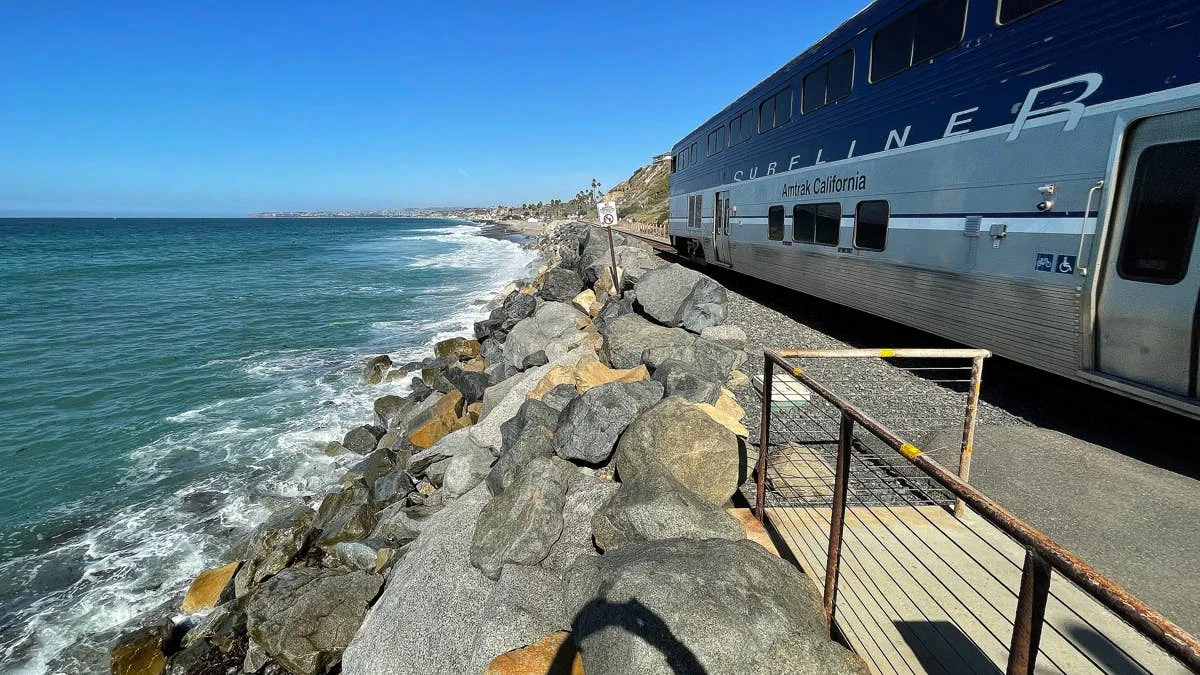
One finding offers a practical direction: coastlines that remain more natural were better able to adapt, by shifting inland and moving sediment. Restoring dunes, mangroves and coastal wetlands can help buffer rising seas while avoiding the wave-reflecting effects of concrete seawalls. By contrast, seawalls, jetties and groynes can reduce the resilience of beaches and nearby breaks, Reineman said.
Coastal planning also affects runoff, sewage and development that alters local winds or blocks swell. The study argues that surf breaks’ future viability is tied to these decisions, as well as to climate change, because waves support distinct communities, cultures and economies.
Surfers are positioned to notice changes early, but observation only matters if it informs action. Recording what happens to a break can give coastal communities a clearer basis for protecting the shoreline conditions that make it work.


