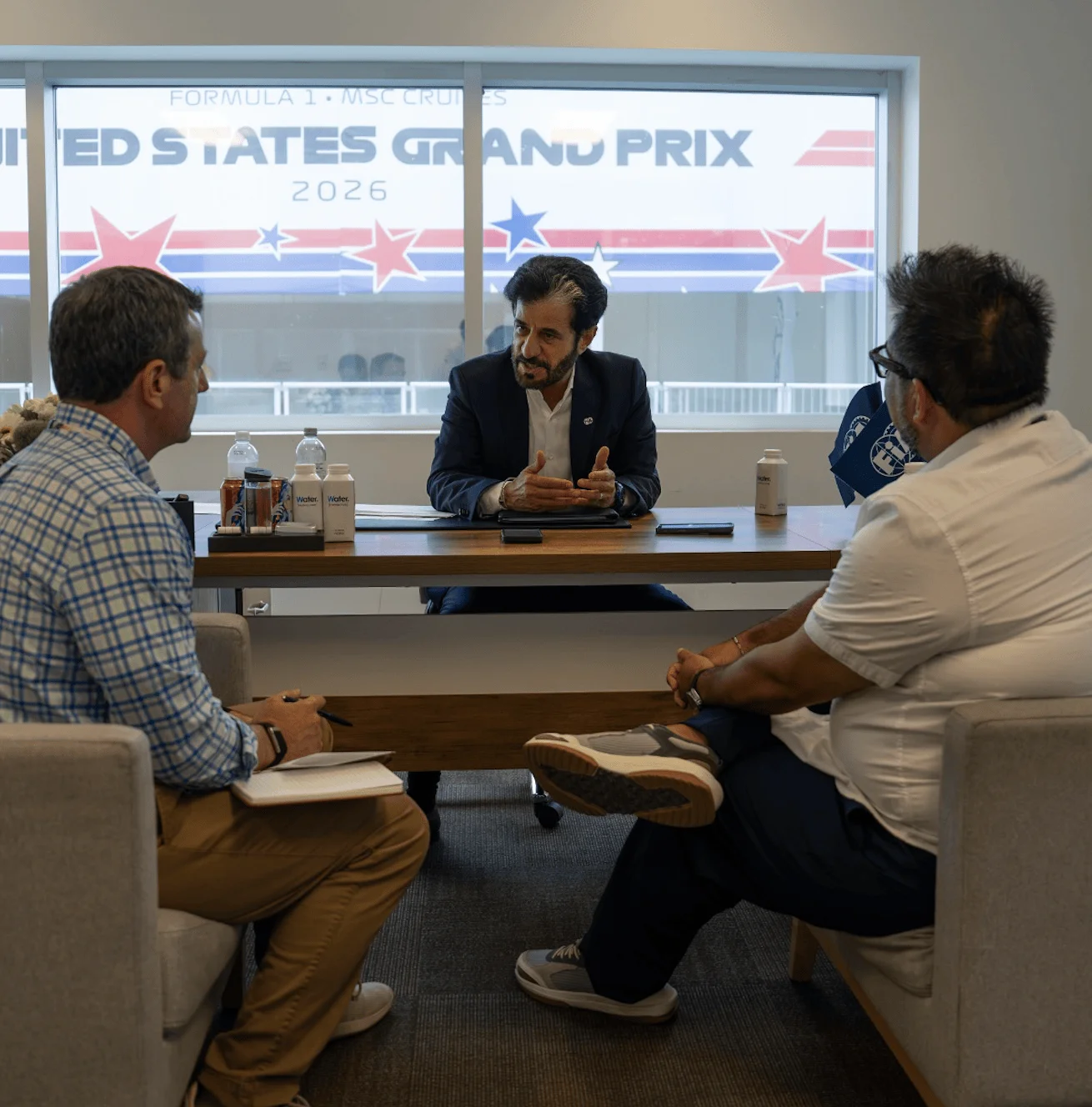
Mohammed Ben Sulayem sees three pressures shaping Formula 1’s next chapter: abuse aimed at people in the sport, power units that have become too complex, and the challenge of expanding the audience without losing sight of how drivers get started. In an interview at the United States Grand Prix in Austin, the FIA president argued that each calls for practical changes, from stronger action against abusive accounts to a simpler engine formula and broader access to karting.
The remarks came during a weekend when online hostility was already a live subject in the paddock. Alpine driver Franco Colapinto had urged his fans to stop targeting other drivers and members of his team. He said mechanics and his engineer had received hateful messages, and that the abuse had crossed a line. Max Verstappen also criticized attacks on a young driver after his racing team received a penalty at a GT World Challenge Europe event in Portugal.

Online abuse has spread beyond drivers
Ben Sulayem described online abuse as “a sickness and a plague,” saying it now threatens drivers and other people across motorsport. He argued that the problem deserves more attention than familiar debates about Formula 1’s direction, including comments from Jeremy Clarkson about the sport’s past.
“The challenges, the risks that we have from losing the sport is from the online abuse,” he said. “And that’s where we need you.”
His appeal was directed at more than the FIA. Ben Sulayem said journalists, teams, drivers, technology companies and other organizations all have a role in reducing harassment. The FIA launched its United Against Online Abuse coalition in 2023. The initiative brings together sporting bodies, technology companies, governments and universities to study abuse and develop ways to address it.
The scale of the attacks can be stark. Ben Sulayem cited 13,000 threats against Pierre Gasly, and said an FIA steward had also been threatened with death. He stressed that stewards are volunteers, underscoring how online abuse can reach people who aren’t high profile athletes.
“We can’t do it alone,” he said. He called for public education and awareness, along with action from social platforms and event organizers. In his view, sports authorities should be prepared to ban spectators or media members who engage in abuse. He also praised Alpine executive Flavio Briatore’s warning that the team could restrict fans’ access to Colapinto if they continued targeting others.
Ben Sulayem put responsibility on drivers as well as institutions. He said athletes should make clear that abusive fans aren’t welcome, describing drivers as ambassadors and role models. Protecting fellow competitors, he argued, also helps protect the people who attract the abuse.
Verstappen had made a related point earlier in the week. He said he could shrug off insults aimed at himself, but was concerned when attacks focused on a young driver unaccustomed to intense scrutiny. Together, the comments point to a problem that reaches beyond the most recognizable names in Formula 1. It can affect team staff, officials and developing drivers, too.
Ben Sulayem says the V8 is coming
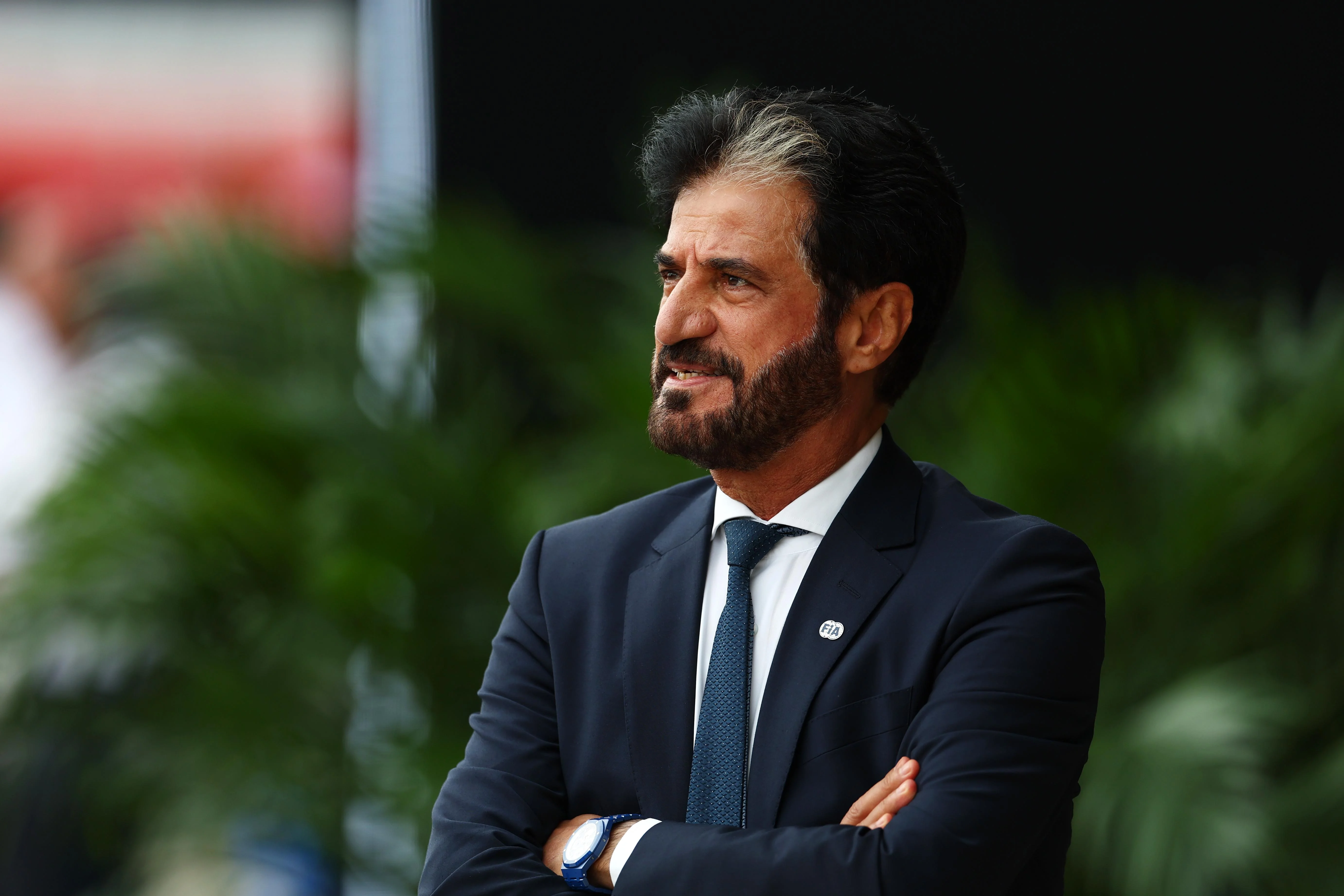
F1’s power units have become another point of contention. The regulations introduced for the 2026 season shift the balance toward a near-even split between battery power and the internal combustion engine. The reception has been mixed, and calls to bring back V8 engines have grown louder among fans. Ben Sulayem has publicly encouraged people to watch for developments; in Austin, he was more direct: “The V8 is coming.”
He framed the case around the sport’s needs as well as the engine’s character. The current power unit, he said, is complicated for teams and asks drivers to manage batteries when they should be focused on driving. He also questioned the continued role of the MGU-H and MGU-K, saying the technical direction had not delivered the result people expected.
“The solution to us in Formula 1 is simplicity,” he said, adding that simpler machinery can still involve innovation. His argument is that reducing complexity could make the cars easier for teams to operate while allowing drivers to concentrate on racing.
Sound is part of the appeal. Ben Sulayem said fans want a satisfying engine note, while distinguishing that from simply making cars louder: “Not noise. Sound.” He didn’t lay out a detailed timetable or technical plan for the V8’s return in the interview. The commitment is clear, but the practical route from the current formula to a different engine remains unspecified.
Growth needs a stronger grassroots base
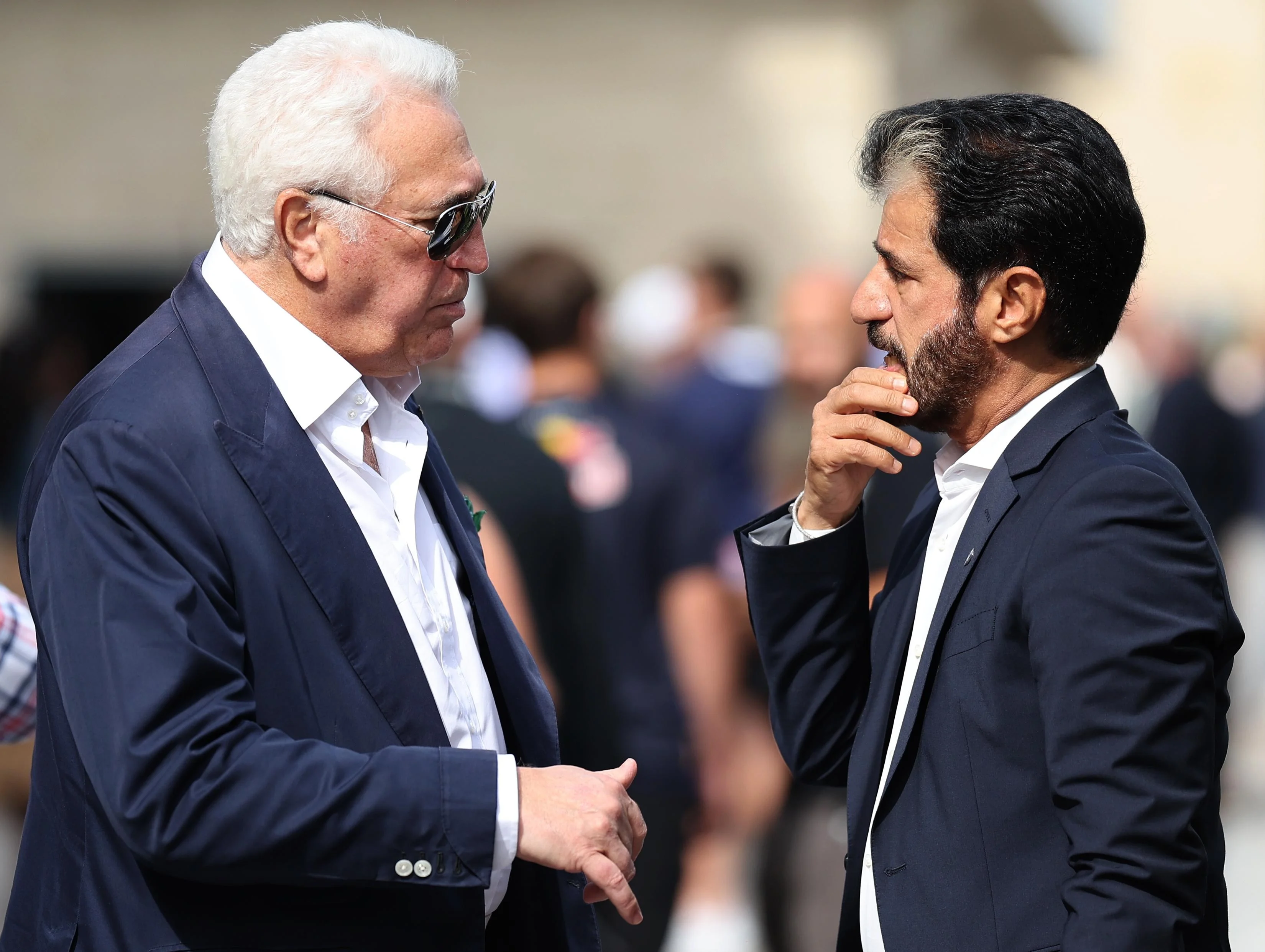
As Formula 1 adds events and reaches new audiences, Ben Sulayem said the sport must make room for different kinds of fans. He described racing as a combination of competition, entertainment and business, arguing that the experience varies from market to market. At U.S. races, for example, some spectators may be there for the social occasion more than close attention to the track. He said that doesn’t make their way of enjoying the event wrong.
The more consequential question, in his view, is whether people can enter motorsport in the first place. He returned repeatedly to karting as the foundation for future drivers and called for greater access to the sport’s grassroots. The FIA, he said, has organized its championships and is creating a standalone department focused on grassroots racing.
Ben Sulayem said funding for the effort would include money from penalties imposed on some teams, though he didn’t identify them. He described the FIA’s own karting program as a first in the organization’s 122-year history. The goal, as he put it, is to support the base that sustains motorsport over time.
That focus also informs his description of the FIA’s mission: “fairness, safety, and growing motorsport.” Asked what would make his tenure successful, he pointed to repositioning the organization, improving affordability and regulations, and clarifying its structure and purpose. He also spoke positively about the FIA’s relationship with Formula One Management and Liberty Media, saying the championship’s owner and its promoter need to understand and respect each other’s roles.
He cited General Motors’ arrival through the Cadillac team as an achievement, while acknowledging opposition to the move. Ben Sulayem said he didn’t seek credit and described his position as a responsibility rather than a salaried job.
His comments connect the immediate disputes to a longer-term test for the FIA: the sport needs to protect the people who make it run, offer racing that feels compelling to drivers and fans, and build a route into motorsport beyond the established grid. Ben Sulayem’s priorities are clear. Turning them into lasting change will depend on whether teams, platforms and the FIA can act on them together.