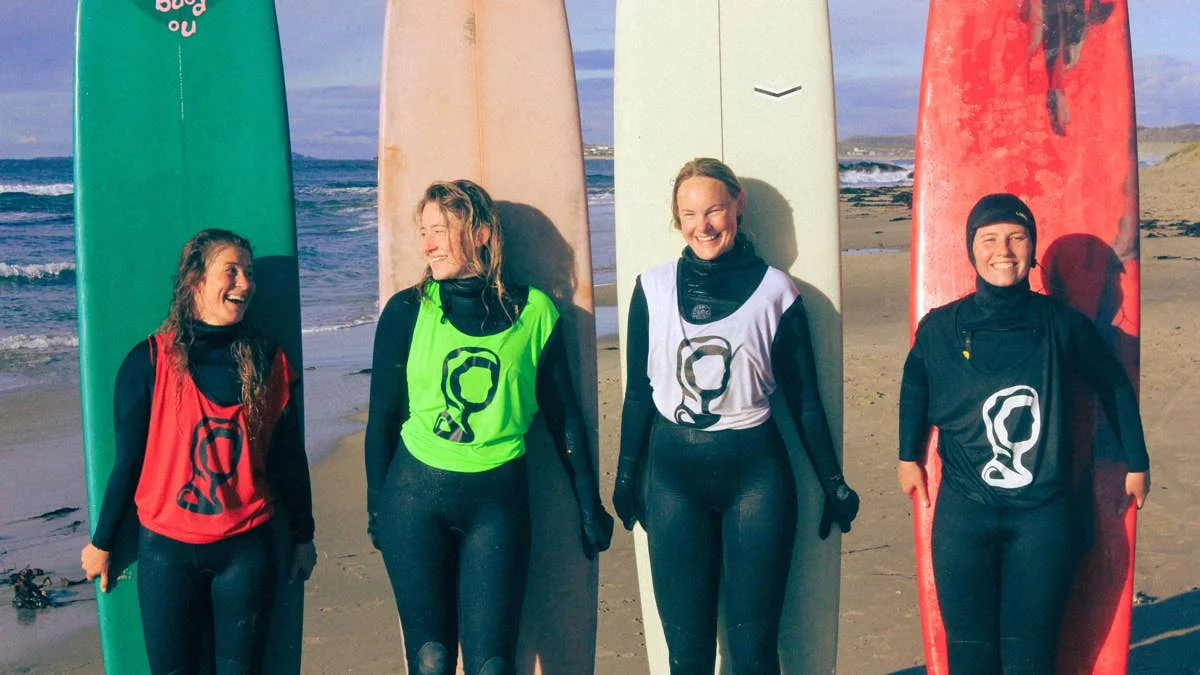
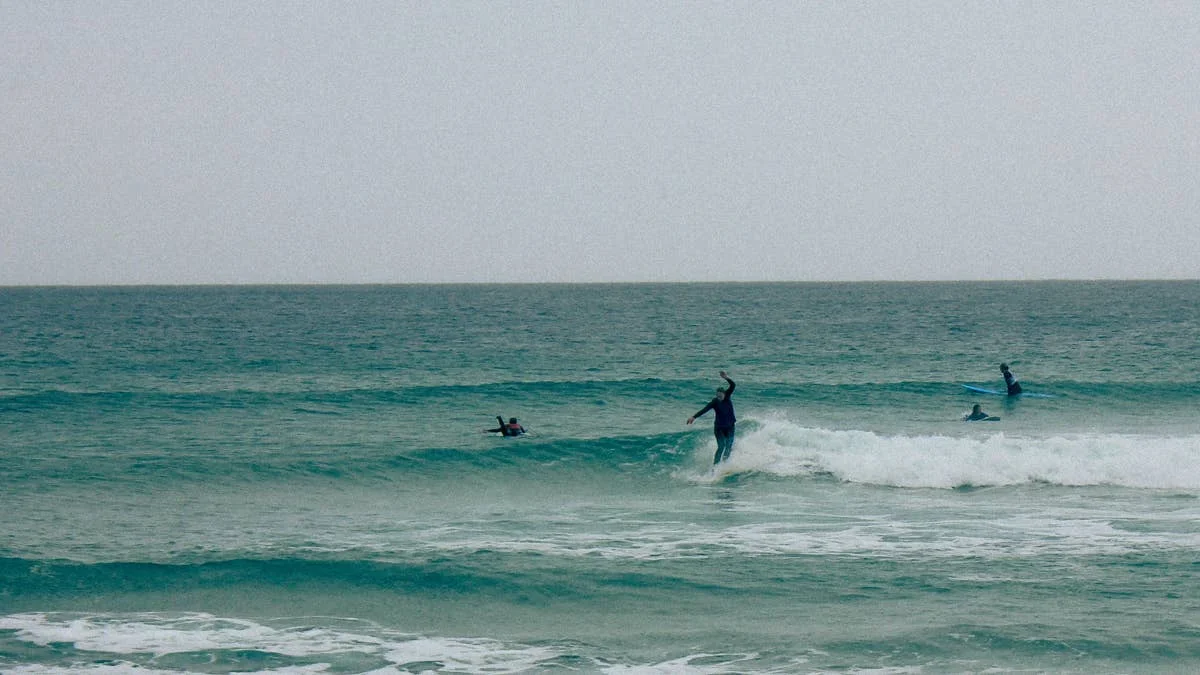
At Surf Fest Scandinavia in Stavanger, the clearest sign of change wasn’t a speech or a contest result. It was the lineup: on a rare sunny October afternoon, women made up most of the surfers in the water. That scene points to a wider shift in Nordic surfing, where community events, visible role models and family routines appear to be helping more women take part.
The festival brings surfers from across Scandinavia together for a weekend of surfing, music and social events. Its competition focuses on traditional longboarding, and its small scale gives local surfers room to meet, watch one another and compete. This year, the women’s division filled before the men’s. Swedish surfer and musician Sara Bjurbäck said that had also happened the previous year, with more women than men entering.
Surf Fest Scandinavia
Participation grows through community
The weekend opened with a skippers’ meeting, where competitors and judges discussed how to score the waves. Films followed, including Swedish filmmaker Jonis Strömberg’s Two Days Before the Mingle and Norwegian filmmaker Felix Golden’s Nordic Rippers 2. The program also included Ayo!, directed by Maddie Meddings and Marsela Arnanda. It follows women in Indonesia learning to swim and surf with the nonprofit OceanFolx.
That mix of competition, film and informal conversation helps explain the festival’s appeal. It gives surfers more than a chance to ride waves: they can see others like themselves in the sport, make connections and return to the water with a stronger sense of belonging.
Bjurbäck offered a practical explanation for longboarding’s growing appeal among women. “Longboarding has definitely been becoming more of a trend with the girls here… Maybe it’s because men and women split childcare here, so both dads and moms take turns watching kids on the beach, allowing both men and women to have the time to progress with their surfing.”
That observation links participation to the everyday conditions that make time for sport possible. Shared caregiving can mean both parents get opportunities to surf and improve. At the festival, the idea showed up not only in conversation but in a familiar beach scene: fathers stayed with their children while their wives surfed.
Surf Fest Scandinavia
Visibility gives the next generation a reference point
Norwegian photographer and surfer Runa Andersen has watched the community change since she first came to Surf Fest in 2014. Based in Jæren for more than a decade, she remembers a time when women’s surfing received little attention from photographers. “When I first arrived here, I noticed no one in the surf took photos of the girls, and I wanted to change that. I wanted to put the Norwegian women surfing into the history books as role models.”
Andersen is now creating Queens of the North, a photobook about female cold-water surfers. The project addresses a gap that goes beyond documentation: photographs help establish who belongs in a sport and whose achievements deserve to be remembered. When girls can see women surfing at a high level, the path into the water becomes easier to imagine.
Strömberg sees the festival’s format as part of that process. “Having a competition where the women and men are equally celebrated has really impacted the local community and how they look up to both male and female surfers.” Women also appeared in roles beyond the competitor list, with male and female commentators and judges. That breadth of representation helps make equality visible across the event, rather than confining it to the women’s heats.
Strömberg also described a change in the atmosphere when more women are in the lineup: “It’s always so nice to have more girls in the lineup. It just makes the vibe less aggressive and better in general.” His comment speaks to a social benefit of participation as well as a numerical one. More women can change how a shared space feels, which may in turn make it more welcoming to newcomers.
Surf Fest Scandinavia
Equipment still needs to catch up
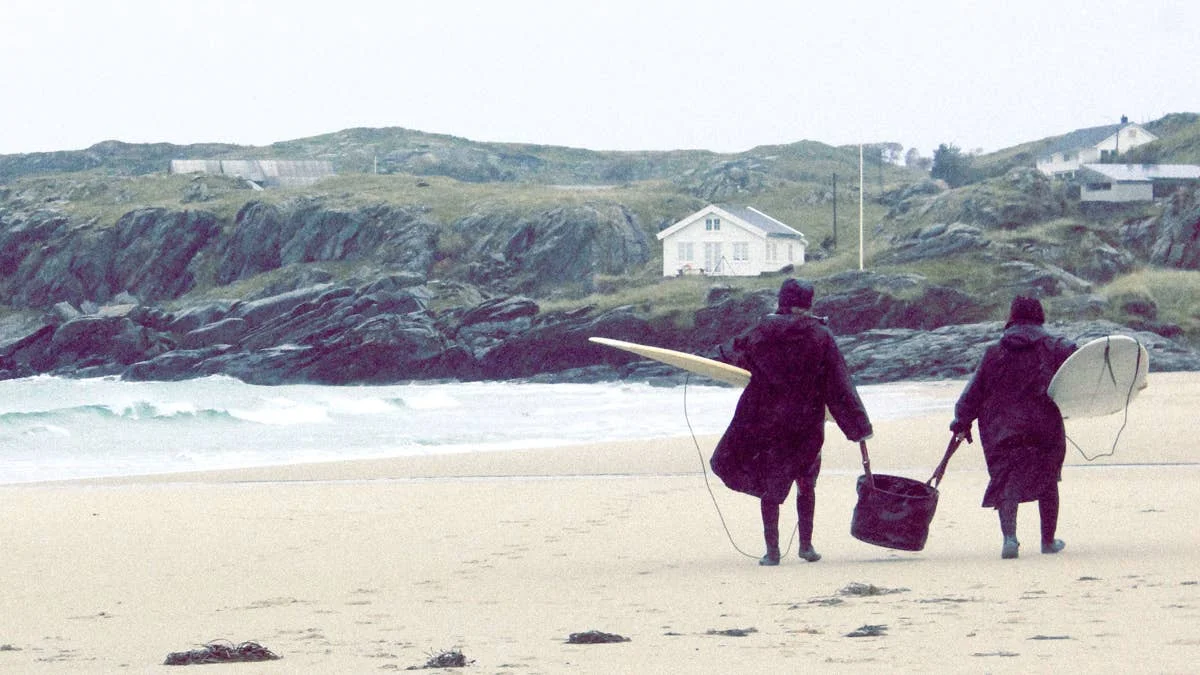
More women in cold-water lineups also put pressure on surf brands to serve a broader range of needs. Swedish surfer Felicia Johnson pointed to wetsuits as one unresolved issue. “One thing I would say is that men’s wetsuits offer way more range. There’s a need for the industry to better support women in cold-water surfing, not only through more and better wetsuit options, but also by showcasing more of the rad women already out there and inspiring the next generation to join.”
Her point is specific: growing interest does not automatically mean equipment choices meet women’s needs. Cold-water surfing depends on gear that lets people stay warm and move comfortably. If women find fewer suitable options, that can become a practical barrier to spending time in the water. Better visibility and more appropriate product choices are connected parts of the same task: making participation easier to sustain.
Equality is built into the event
The contest results reflected the strength of both divisions. Festival founder Lové Berggren won the men’s event with a combined score of 14.33. Denmark’s Johan Vinkel Sisgaard placed second, followed by Norway’s Jonas Karlsen. Johnson won the women’s division with 9.50, ahead of Norway’s Ane Mari Engvik, Bjurbäck and Lisa Berglind.
For Strömberg, the event’s influence comes partly from the example set by its organisers. “When people like Berggren, who the community looks up to, put such an emphasis on equality and representation in the lineup, the rest of the community really respects that, and it trickles down.”
He also pointed to Surfbrudar, a Swedish group that organises trips and events for female surfers. “Girls get to see other women performing at a higher level. It creates more opportunities, exposure, and connections.” Those links matter: a visible competitor can inspire, while a welcoming event gives new surfers a place to meet peers and build confidence.
Surf Fest’s most telling detail may be how ordinary the scene felt: women surfing while fathers watched the children from shore. That ease is not produced by a single competition. It grows through repeated opportunities, public recognition and practical support, including gear that works for cold-water conditions. The festival offers a useful model for surf communities elsewhere: celebrate women’s performance on equal terms, make room for them in every part of the event, and keep removing the everyday barriers that limit time in the water.


