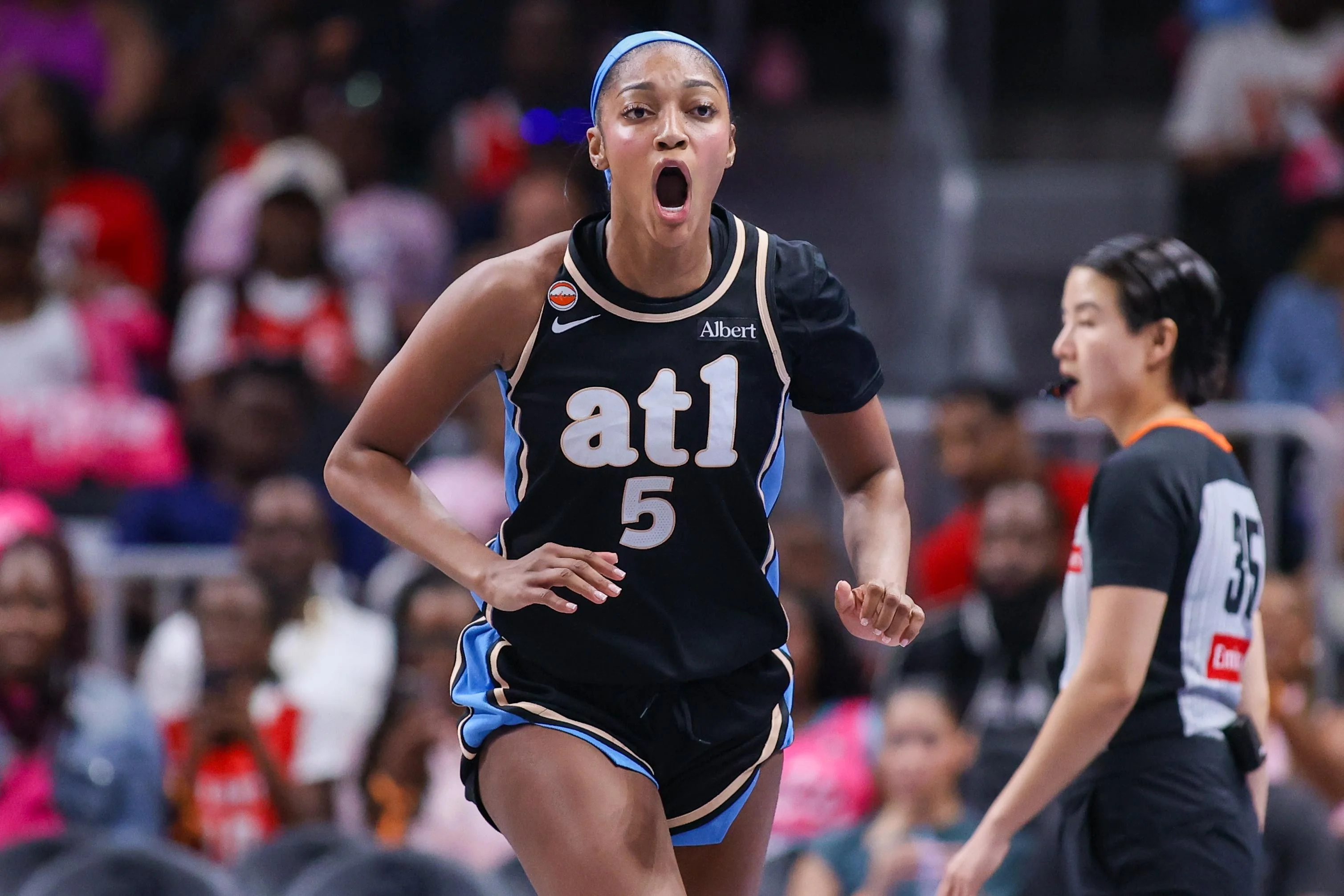
Atlanta’s Finals ticket demand has made the case for a larger home court plain: Gateway Center Arena holds 3,800, while State Farm Arena seats about 17,000. The Dream have already sold out five of the six regular-season games they played at State Farm this year, and their Finals dates there are drawing a crowd large enough to challenge the smaller venue’s limits. That difference changes who can attend: a bigger building gives more supporters a chance to see a Finals game in person, though it can’t satisfy every measure of demand suggested by the ticket queue.
The team is playing the Valkyries in the WNBA Finals. Games 3 and 4 are scheduled for State Farm Arena after a late schedule adjustment, giving Atlanta room to welcome more fans during its championship run. The switch also puts the series in the building the Dream are set to use for all home games beginning in 2027, making these Finals dates an early test of that future arrangement. For fans, the venue change is immediate; for the team, it offers a preview of the scale of a regular home crowd in a larger arena.
Why the Finals moved to State Farm Arena
The Dream’s Finals games were first scheduled for Gateway Center Arena in College Park, Georgia. That was the available venue: the NBA season had begun, the Hawks had dates at State Farm Arena, and musician Sombr was booked to perform there on Oct. 22. In a busy arena calendar, each event has to fit around other commitments, and a championship series adds uncertainty because the number and timing of games depend on how long it runs. The original plan reflected those constraints, but it also left the Dream with a venue whose capacity was far below State Farm’s.

The Hawks agreed to reschedule their home opener, and the Finals calendar shifted to work around the Sombr show. That opened State Farm Arena for Games 3 and 4. The Hawks’ cooperation mattered: moving an NBA home opener is a significant scheduling change, made possible by coordination across teams and venues. It also shows how much a Finals venue depends on arrangements beyond the two teams playing the series; a building’s calendar is shared, and a change for one event can require another organization to absorb the disruption. Here’s the thing: access to a larger venue wasn’t simply a matter of choosing a different building.
Ticket demand points to a larger audience
The move followed an outcry from fans who feared Gateway Center’s limited capacity would keep them out of the Finals. When tickets for Games 3 and 4 went on sale, Hawks and State Farm Arena CEO Steve Koonin told Front Office Sports they were “close to” selling out on Thursday. The Dream had not confirmed a sellout at the time, but fans were reporting that tickets were no longer available. Those accounts and Koonin’s description point in the same direction, while leaving the final ticket count unconfirmed. A report of scarce availability can signal a fast-moving sale, but it doesn’t tell us how many seats were sold or how the remaining inventory was distributed.
Journalist Meghan Hall reported that about 42,000 people were in the presale queue for Atlanta’s home Finals tickets. State Farm Arena holds roughly 17,000, so that queue suggests demand substantially exceeded the building’s capacity, though it doesn’t establish how many people ultimately bought tickets. A queue measures people seeking access at a particular point in the sale; it isn’t a count of completed purchases, unique buyers, or people who would attend if offered a ticket. Even with that limitation, the comparison makes the scale problem clear. This is more significant than it looks: the larger arena adds thousands of seats, yet the reported presale interest still points to competition for a place inside.
Atlanta has filled the arena before. The Dream sold out five of their six State Farm regular-season games this year. Their earlier playoff dates used limited seating because the team had little time to prepare the venue, it told Front Office Sports. For the Finals, the arena is operating at full capacity. That distinction matters when comparing crowds: limited seating at the earlier playoff games doesn’t offer a like-for-like measure of demand against the Finals dates. The regular-season sellouts, however, show that strong attendance at State Farm isn’t confined to a championship series. If you’re working in this space, the useful signal is the pattern across both the regular season and playoffs, not any single queue figure.
A coordinated move, with one scheduling question left
Renee Montgomery, a former WNBA All-Star and current Dream part-owner, described the venue change as a “group project” in an interview with Front Office Sports. The Dream worked with the Hawks, State Farm Arena, the Valkyries, the WNBA and the NBA to make the change on short notice. That list gives a sense of the coordination involved: the teams and leagues had to work around venue availability, game dates and the existing event calendar. In a playoff series, those pieces are connected, so a change that helps fans gain access can create a new problem elsewhere in the schedule.
Montgomery called the effort “unreal.” Her comment captures the operational challenge: shifting Finals games required several organizations to align their calendars and venue plans in a short window. The outcome is visible to fans as a change of arena, but the work behind it involves aligning competing commitments without knowing exactly how many games the series will require. That’s a demanding task, and the adjustment shows the value of cooperation when the initial plan runs into a clear capacity problem.
A potential Game 6 remains a scheduling puzzle. If the best-of-seven series goes beyond five games, Atlanta is tentatively set to host on Oct. 29 at 8 p.m. ET. The Hawks are scheduled to play the Cavaliers at State Farm Arena that same day at 7 p.m. ET. The Dream could return to Gateway Center, or the organizations may need to find another arrangement. There’s no settled solution in the information available here, and the game depends on the series reaching that point. Still, the clash shows why booking a Finals venue is harder than reserving a single date: the schedule has to account for games that may never be played.
That conflict should be temporary. The Dream announced on Oct. 6 a multi-year agreement to play all home games at State Farm Arena beginning with the 2027 season. Their Finals crowds offer an early indication of what the larger venue can mean for access to Atlanta basketball. A permanent move should make it easier to plan around the team’s home schedule, while giving more fans the chance to attend than Gateway Center could accommodate. It won’t answer every question about ticket availability, and a larger building doesn’t guarantee that demand will ease. But the Finals have made the immediate benefit tangible: more seats are open to Atlanta supporters during the team’s biggest games.
What the venue change signals
The move is a practical response to demand, and it also gives the Dream a visible test of their coming home arrangement. The strongest evidence here is straightforward: regular-season sellouts, reported presale interest well above State Farm’s capacity, and the decision to stage the Finals games in the larger arena. None of those facts alone establishes how the team’s audience will behave over a full season, but together they make the case for having more room. And yet, capacity only addresses one part of the fan experience; the schedule still has to work, and the ticket figures don’t tell the full story of who gets in.
The remaining Game 6 question is a reminder that arena planning stays complicated when several teams share a building. For Atlanta, the Finals have turned that operational issue into a public measure of demand. More room. More coordination. And a useful preview of what the Dream’s move to State Farm Arena could mean once the 2027 season begins.


