An early test of the season
Back-to-back swells and strong Santa Ana winds gave Southern California an early taste of an unusually active surf season. The Wedge was the most volatile stage, but the run reached breaks across the coast—and left photographers with a record stretch in the water. For the people documenting it, the challenge wasn’t simply finding big surf; it was keeping up as conditions shifted from one stretch of coastline to another.
The Pacific’s developing El Niño has been forecast for months to bring an energetic fall and winter. This opening burst offered a vivid preview: towering shorebreak, heavy closeouts and steep drops at Newport Beach, alongside barrels and challenging conditions at other marquee spots. The swell kept coming, but finding the right place and moment took work. Size can make a scene look dramatic from shore; it doesn’t guarantee a clean ride or an easy shot.
Here’s the thing about Santa Anas: they can bring clean, offshore surf while also creating dangerous fire conditions on land. For surf photographers, though, those winds can turn a powerful swell into a long day of clear, hollow waves. The appeal comes with a difficult tradeoff. The same weather that helps shape the surf can make conditions on land more hazardous, so the picturesque setup isn’t the whole story.
Jeremiah Klein, Owen Beim and Kalani Cummins spent much of the run documenting what unfolded. Their accounts describe a stretch defined by sustained effort as much as spectacle: early checks, long sessions and the need to wait for a wave to organize. And this is the part most people overlook: being present for a memorable moment often means spending hours in the water while the conditions remain unpredictable.
Jeremiah Klein: The Wedge’s shifting lineup
Klein describes the Santa Anas as a “double-edged sword,” capable of producing both destruction on land and “clean, buttery, all day tubes” along the coast. He says the combination of wind and swell made the Wedge especially photogenic, though the conditions also made it difficult to visit other breaks and build variety into his coverage. That limitation matters: a strong run at one break can dominate the images, even when the swell is reaching a wider stretch of coast.
The Wedge’s shifting water can reward patience. Klein singled out a moment when Bobby Okvist shared a wave with backwash—an example of the unpredictable scenes that can emerge after hours spent watching the break. Backwash can alter the shape and timing of a wave, making the lineup harder to read. For a photographer, that uncertainty can produce an unusual frame, but it also means waiting for a moment that may not repeat.
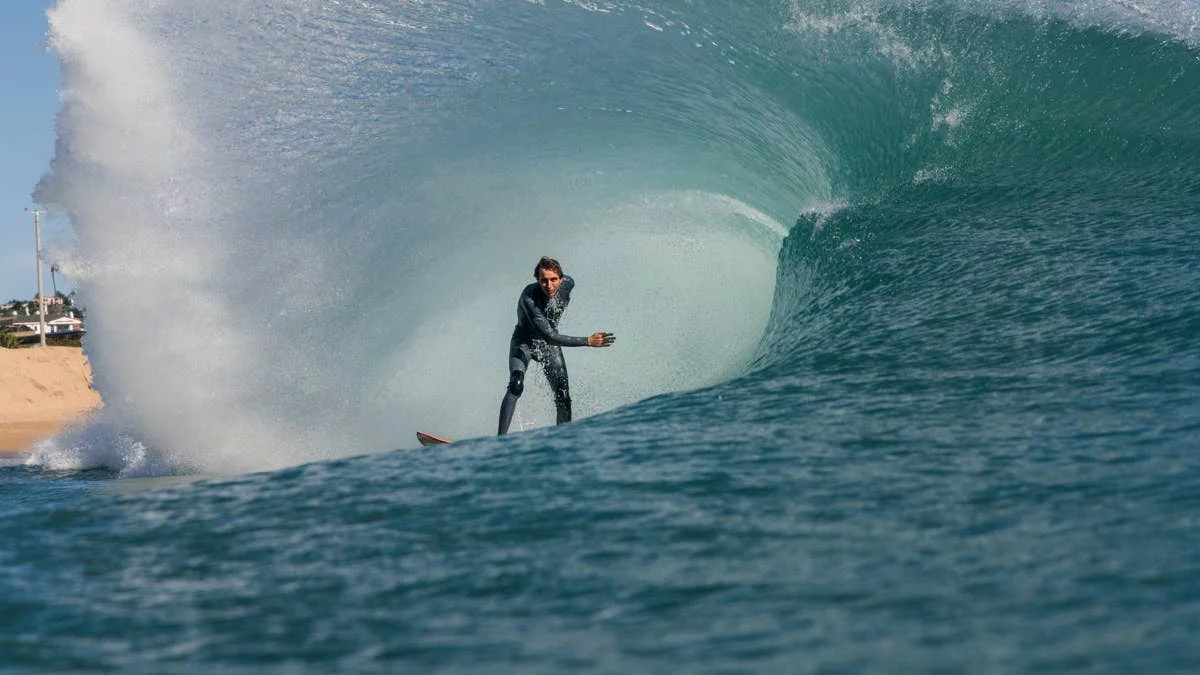
Jeremiah Klein
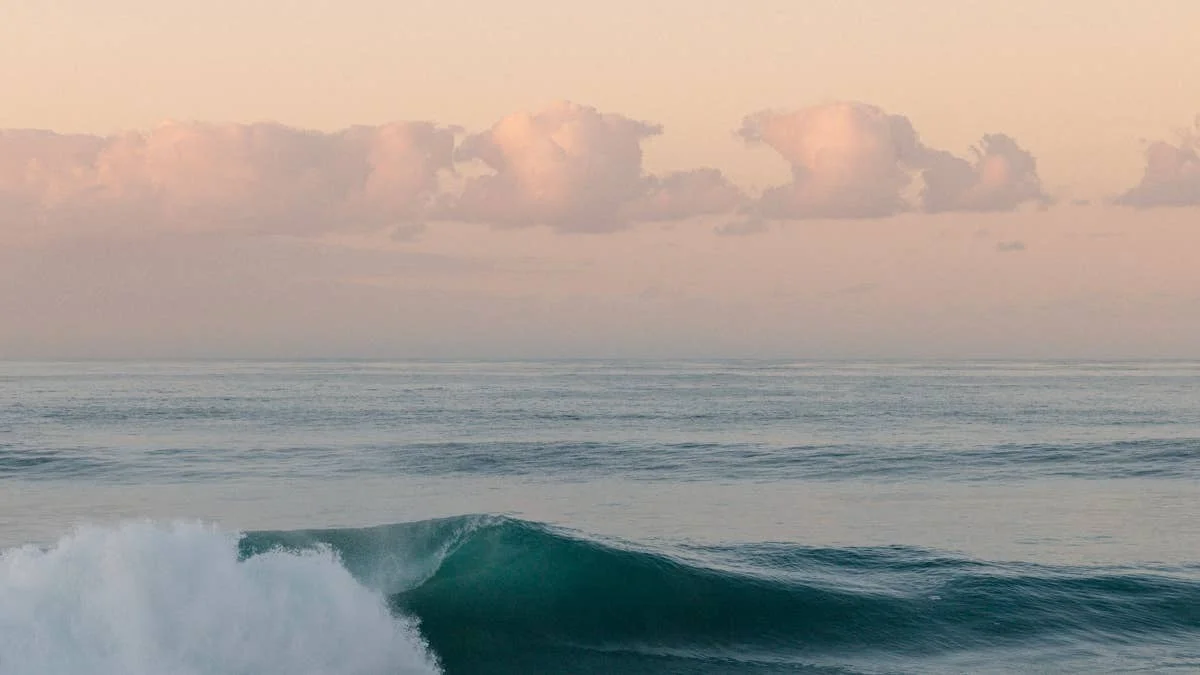
Jeremiah Klein
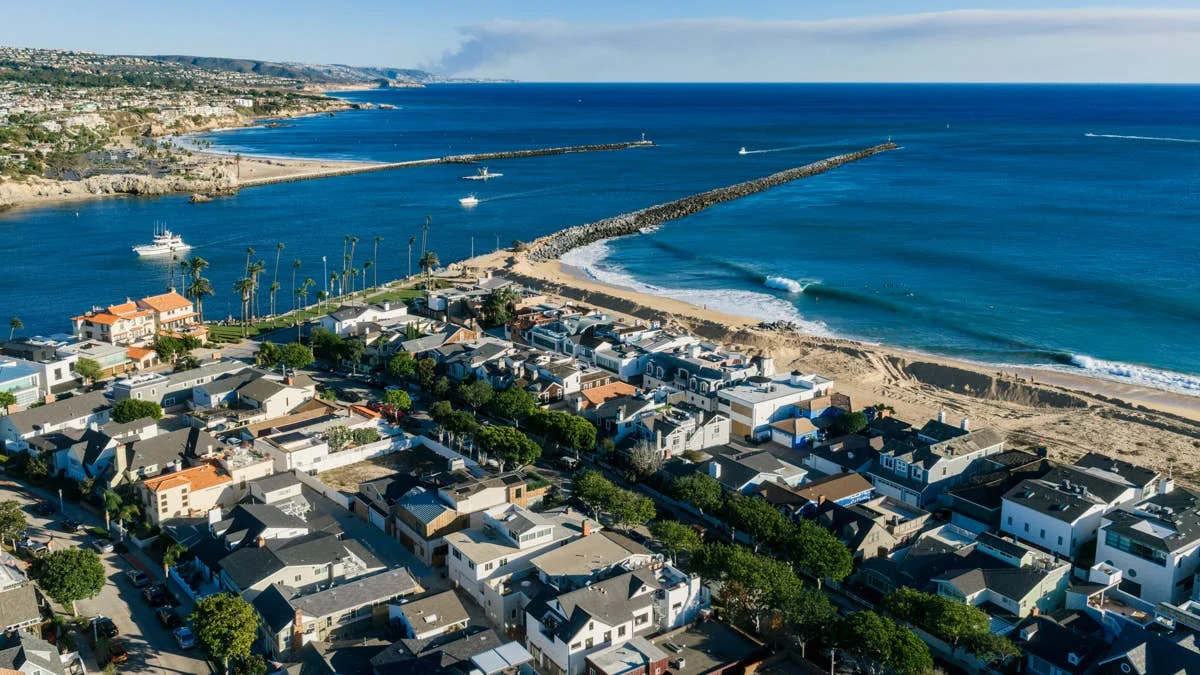
Jeremiah Klein
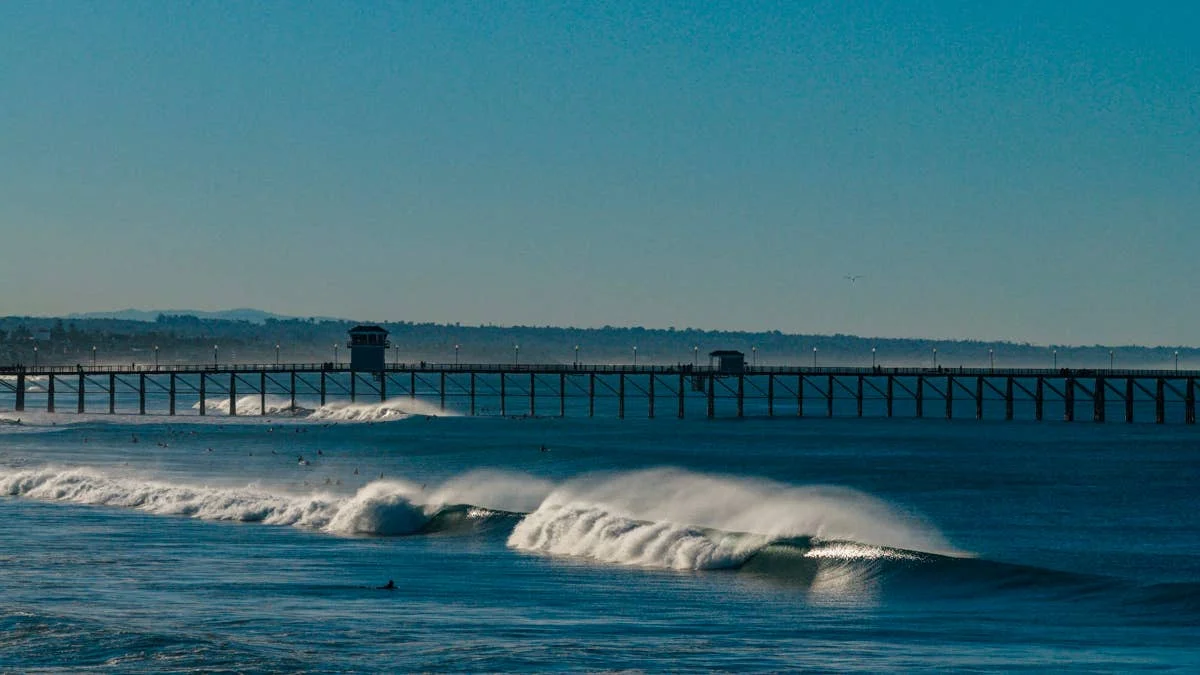
Jeremiah Klein
Follow Jeremiah Klein here.
Owen Beim: A week in the water
Beim says he logged roughly 25 to 30 hours in the water over seven days, checking the Wedge at sunrise every day from Monday through Sunday. He calls this the wildest season he has seen, pointing to several months of consistent swell and a particularly memorable October run. His week illustrates the work behind the images: a photographer can’t count on one convenient session when the best conditions may arrive at different points across several days.
Size alone didn’t make the sessions easy. With so much water moving, surfers had to work to line up a wave and be in the right place at the right time. That changes what a photograph can show. A large wave may catch the eye, but the timing, positioning and shape of the ride decide whether the frame captures a successful line or a closeout. When the elements aligned, Beim says, “that’s where the magic was found.”
There’s a practical lesson in that account for anyone following surf through images: a dramatic scene doesn’t necessarily mean the break was consistently surfable. The camera records a moment, while the hours around it may involve missed opportunities and difficult positioning. That gap between the image and the session is easy to miss.
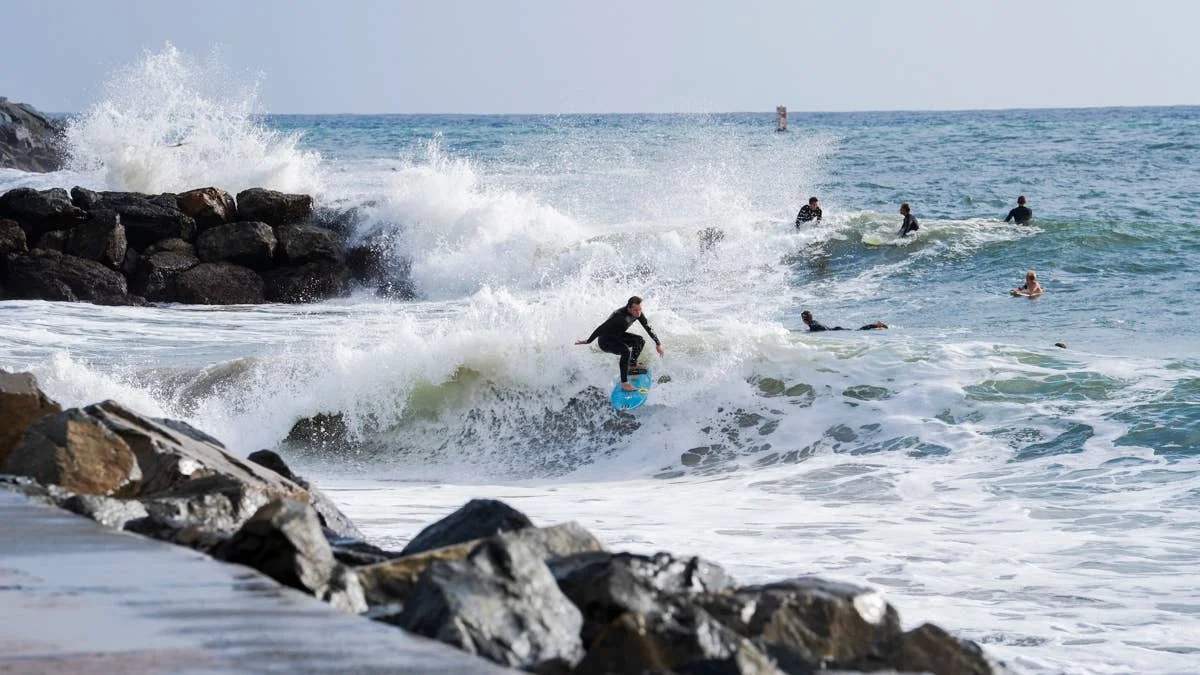
Owen Beim
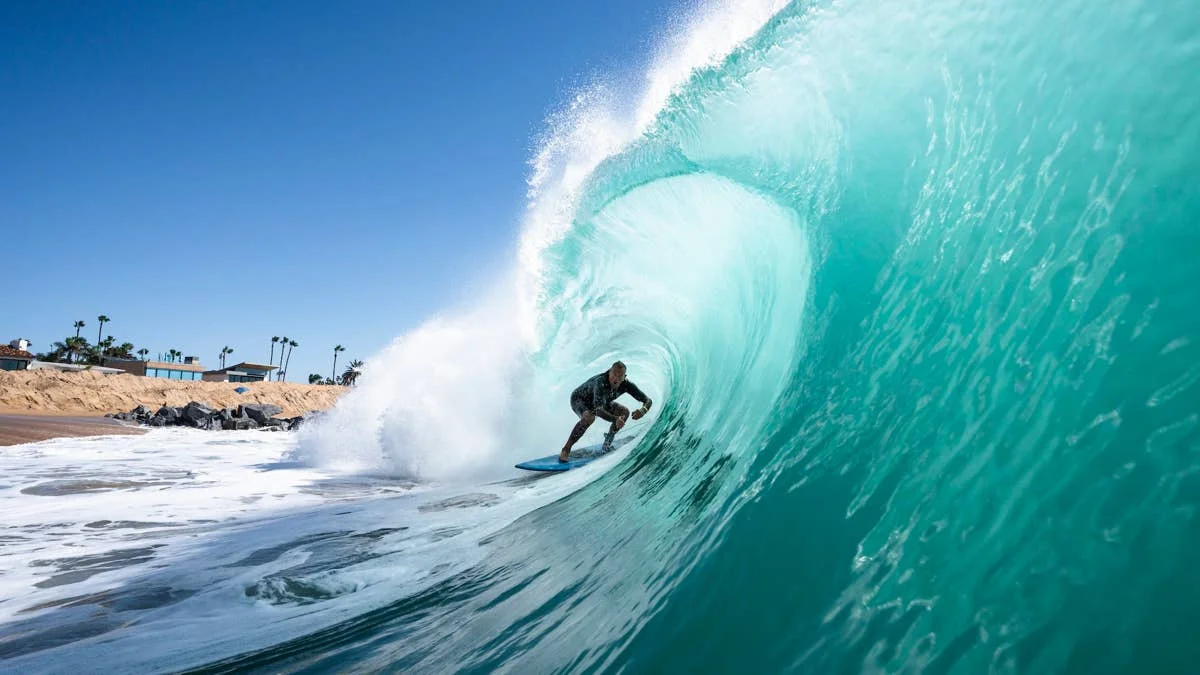
Owen Beim
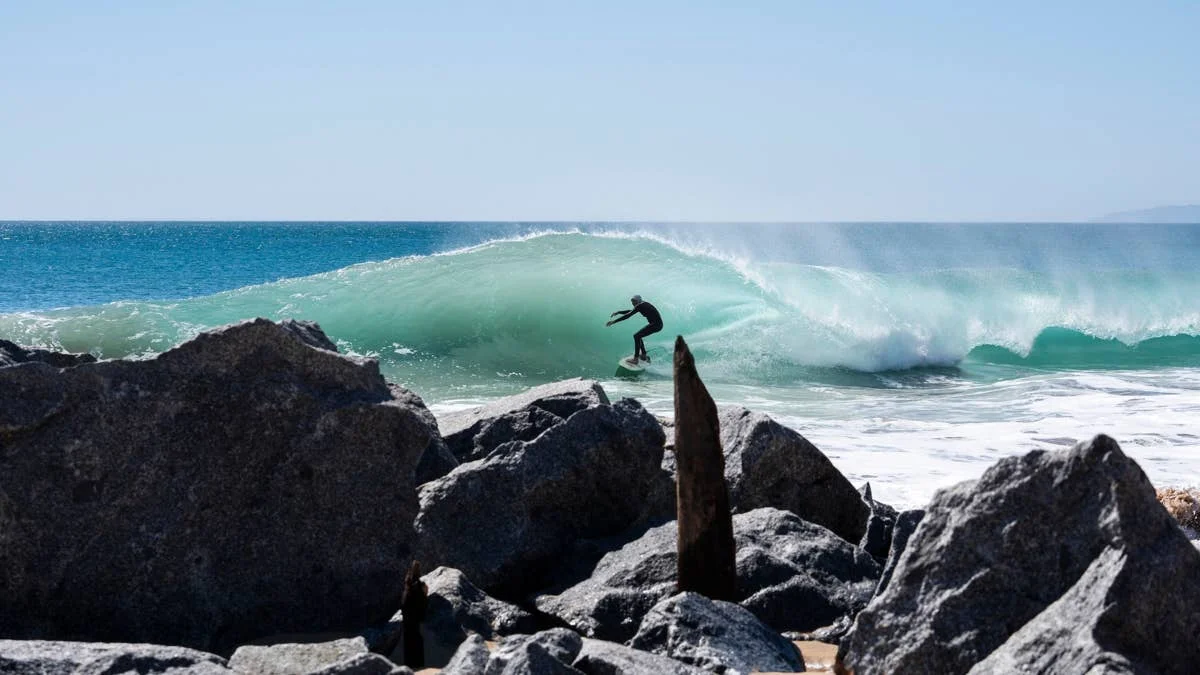
Owen Beim
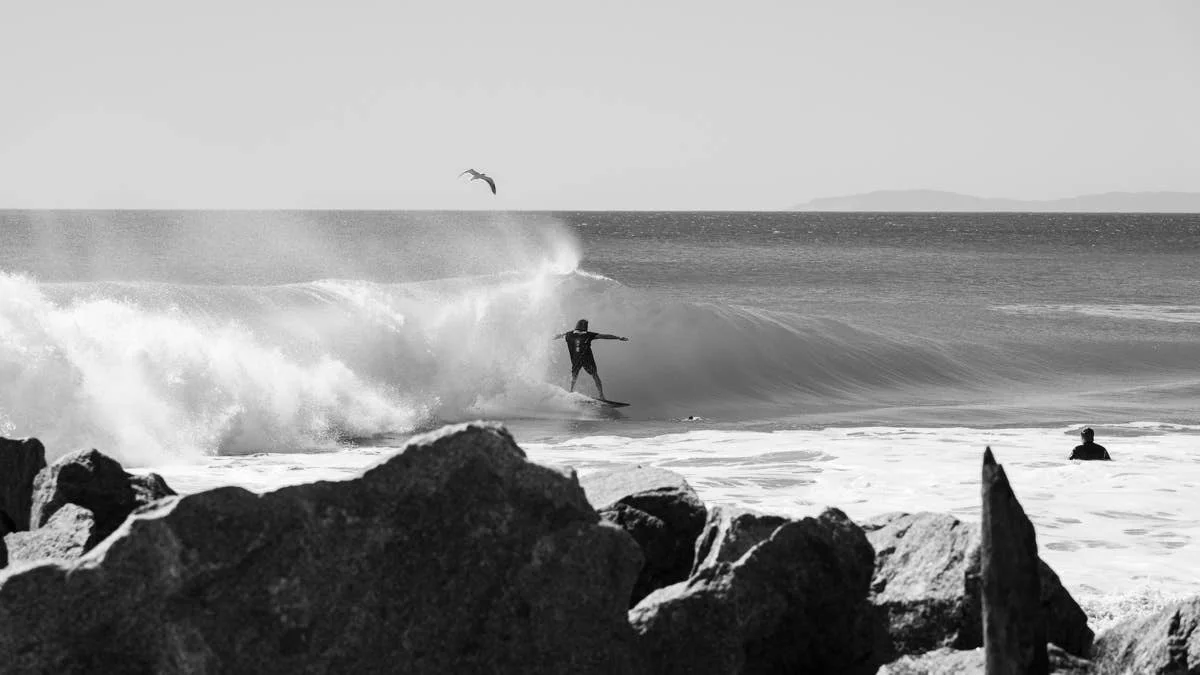
Owen Beim
Follow Owen Beim here.
Kalani Cummins: Conditions from behind the lens
Cummins also spent most of the week in the water. Sunburn and wetsuit rash, he says, were evidence of the hours he put in as the swell and Santa Anas came together. For a photographer, he calls it a dream stretch of conditions. The description conveys the appeal, but also the physical cost of staying close to the action through an extended run.
Photographers in the water have to follow the changing conditions while managing their own exposure to them. The work is less like waiting for a single scheduled event and more like tracking an unfolding session, where the best angle or wave may appear without warning. Cummins’ account gives the photo set a useful context: these images came out of repeated time in the water, not just a quick visit to the beach.
That effort doesn’t make every moment exceptional. It does, however, help explain why a sustained run can produce a different kind of coverage from one isolated swell: more chances to document the range of conditions, and more time to see how a break behaves as the waves keep arriving. A long week behind the lens.
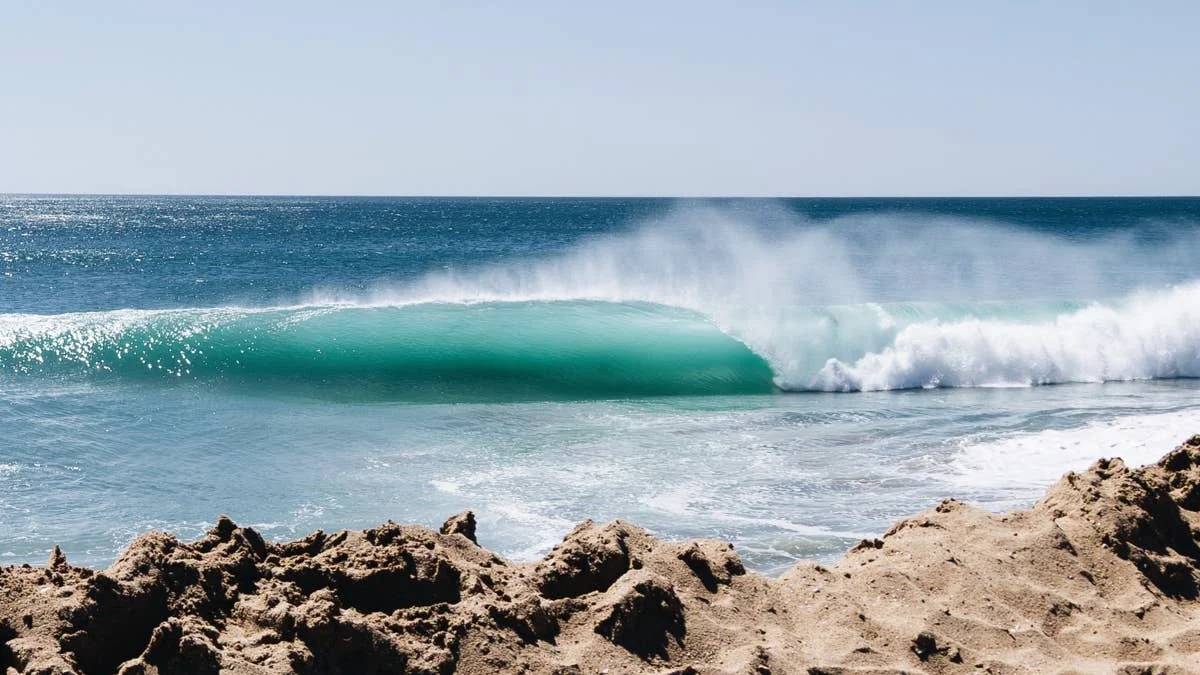
Kalani Cummins
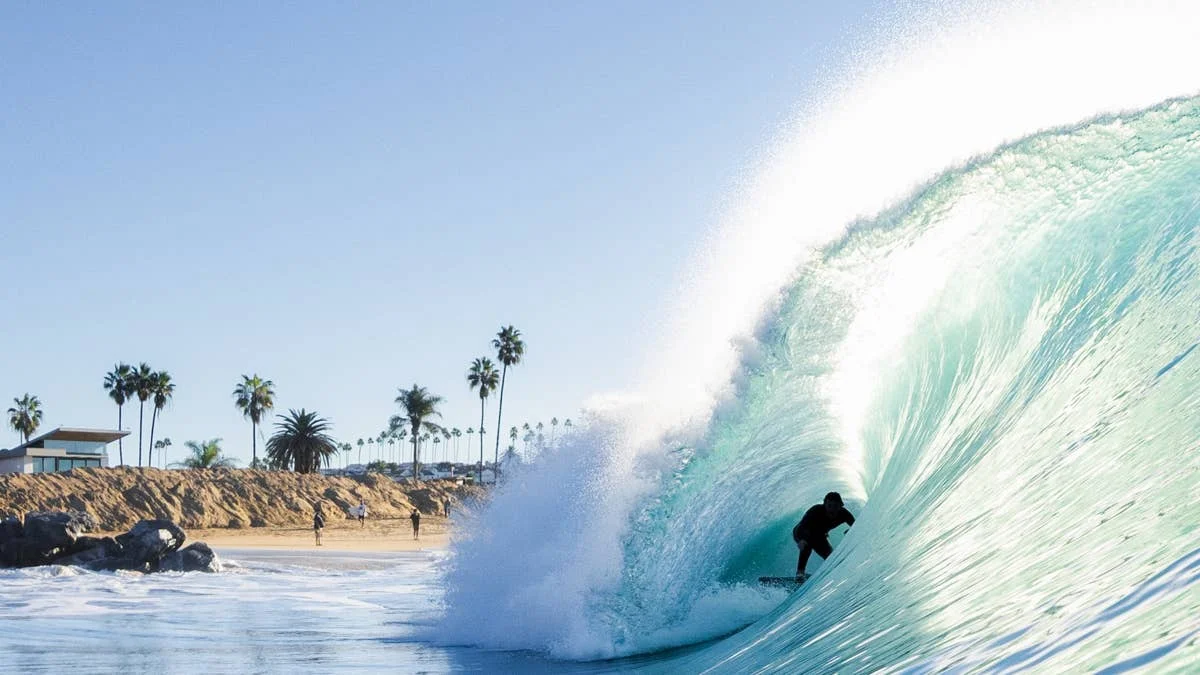
Kalani Cummins
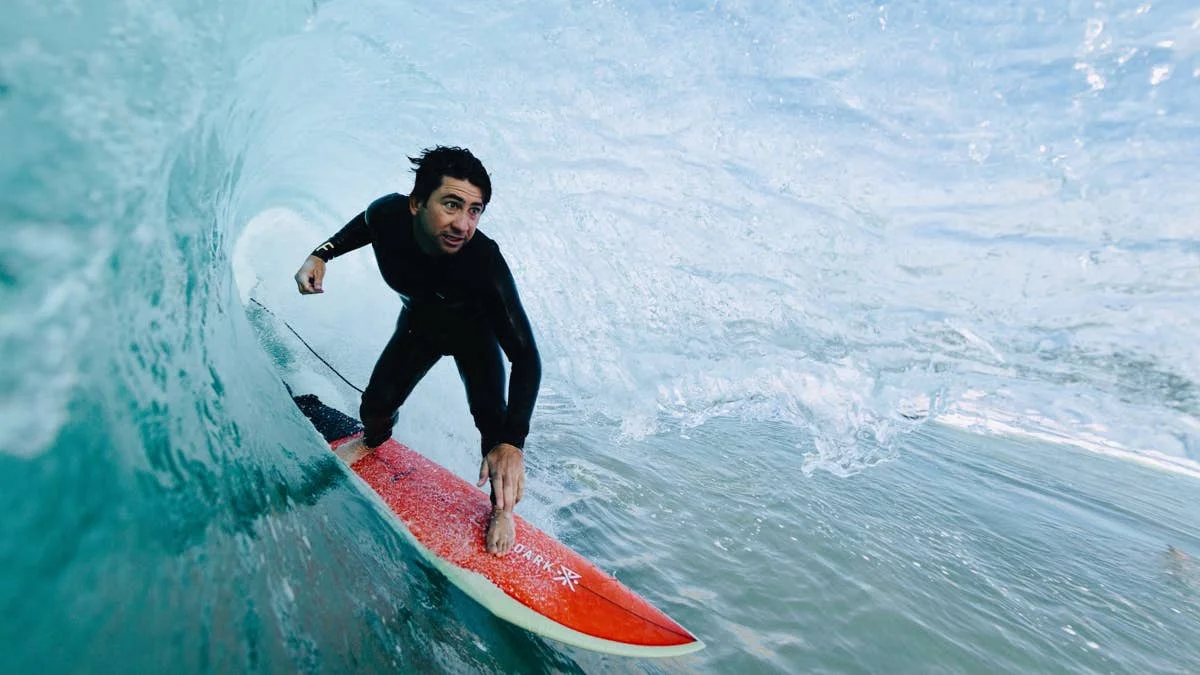
Kalani Cummins
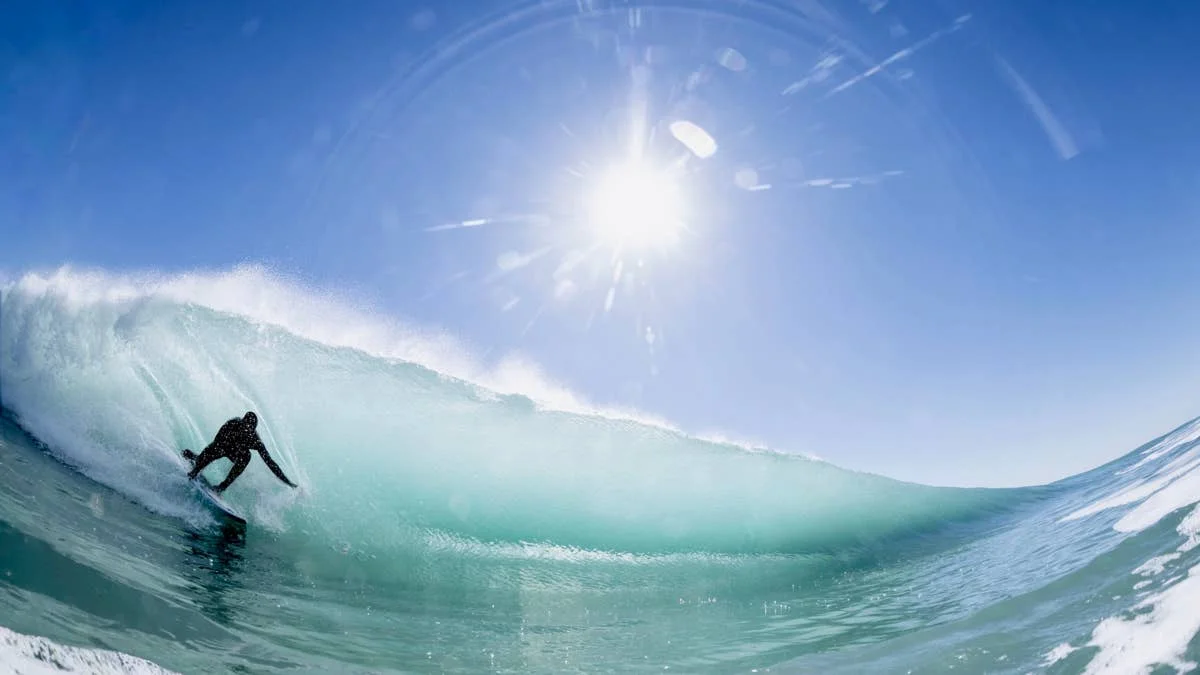
Kalani Cummins
Follow Kalani Cummins here.
What this opening run suggests
The first swell run has already delivered size, variety and difficult lineups from Newport Beach to Oceanside. With El Niño expected to keep the Pacific active through winter, this may be an early chapter in a longer season of serious surf. That outlook is a forecast, not a guarantee that every swell will produce the same combination of size, wind and workable conditions.
This is more significant than it looks: the run has shown how much a season’s character depends on timing and local conditions, not simply the presence of large surf. Santa Anas can help clean up waves while raising hazards on land, and powerful water can create spectacular scenes while making a ride harder to catch. The strongest images may therefore tell only part of the story.
If you’re working in this space, the photographers’ accounts point to a familiar tension: coverage depends on access and persistence, while the conditions that make the images compelling can also make the work demanding. That said, the opening burst gives the season a clear starting point. The swell kept coming, and the question now is whether later conditions will offer the same mix of scale, variety and opportunity.


