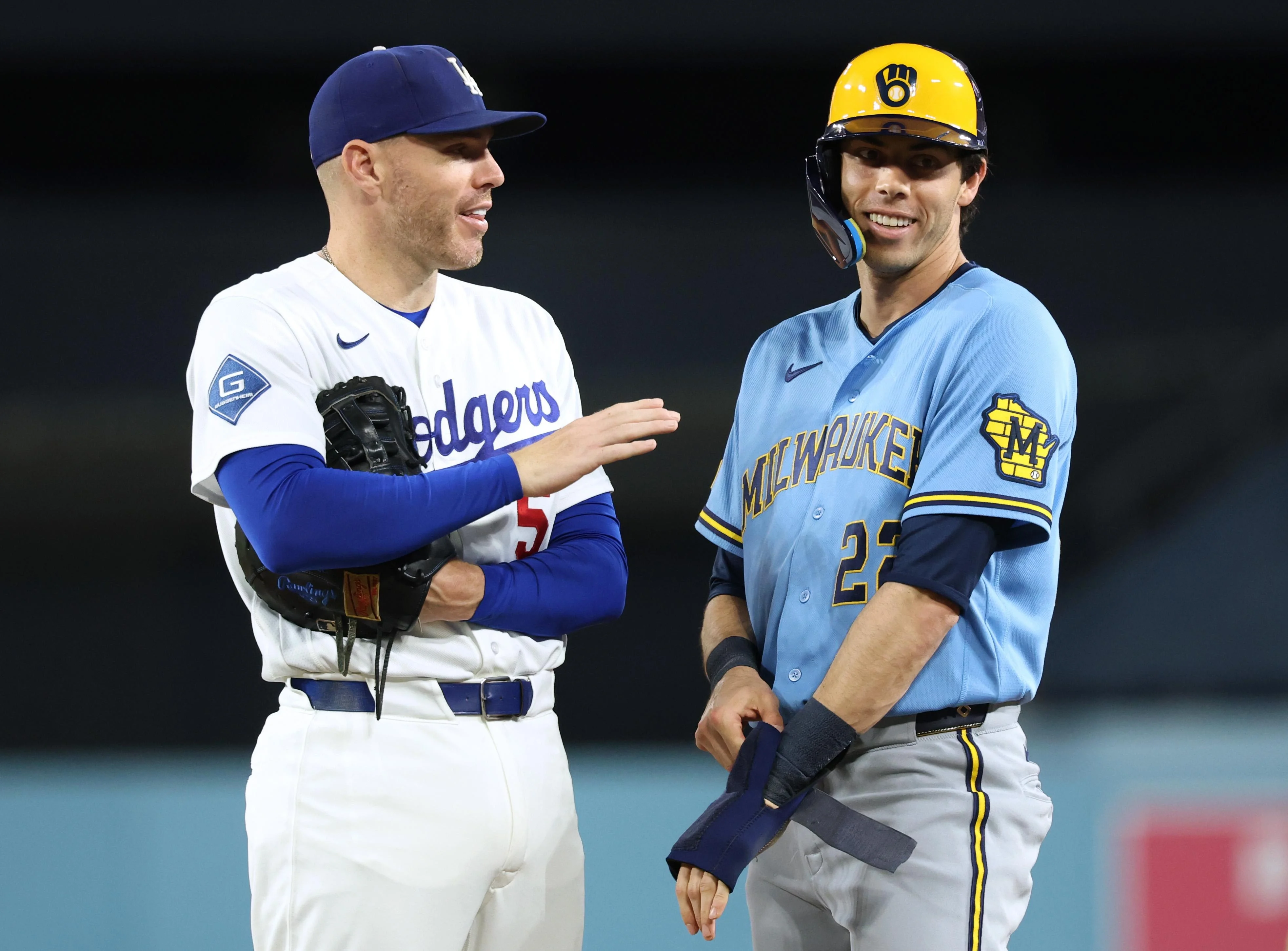
The Milwaukee Brewers have turned last year’s NLCS sweep into a sharp reversal: they swept the Los Angeles Dodgers in four games, closing the series 6-4 on Thursday, October 15. The result ends Los Angeles’s bid for a third straight World Series title and sends Milwaukee to its first World Series since losing in 1982. That’s a rare kind of postseason correction: the team that was swept a year ago now leaves its opponent with no room to recover.
The series didn’t hinge on one dramatic blowout. Milwaukee won by controlling the sequence of games, building pressure with each result, and making the Dodgers chase from behind. The margin in the finale was two runs, but the larger story is how thoroughly the Brewers changed the terms of a matchup that had belonged to Los Angeles the previous October.
Milwaukee takes control early
The Brewers set the tone with a 2-1 win in Sunday’s opener, then widened their lead with a 7-4 victory Monday. After a day off, they returned Wednesday to win 6-2 and put the Dodgers on the brink of elimination. Thursday’s 6-4 result completed the sweep. The scores show a team that could win a close game, produce more offense when the opportunity came, and finish the job once the series reached its decisive point.
That progression matters because a short playoff series leaves little time for a team to correct a weakness. Los Angeles had three chances after the opener to change the direction of the matchup, but each Milwaukee win made the next game more consequential. The Brewers didn’t need one overwhelming performance; they kept forcing the Dodgers to answer a new result.
The four-game finish looked different from the teams’ 2025 NLCS, when Los Angeles swept Milwaukee on its way to a second consecutive championship. The Dodgers had also faced a Brewers team that won all six of their regular-season meetings last year. This season, Milwaukee took four of seven regular-season games, a record that proved more relevant to the teams’ relative form than a guide to the postseason result.
Regular-season records can establish a baseline, but they don’t settle what happens when a matchup narrows to a handful of games. This year’s four-of-seven split suggested the teams were closer than the previous season’s sweep implied. Milwaukee’s postseason performance made that gap plain.
A deeper rotation changed the matchup
Milwaukee entered this series in better shape on the mound than it had a year earlier. In the 2025 NLDS, the Brewers needed a five-game series against the Chicago Cubs and used Jacob Misiorowski in the deciding game. They then opened the NLCS with reliever Aaron Ashby ahead of an injured Quinn Priester, who was diagnosed with thoracic outlet syndrome after the series. That sequence left Milwaukee managing around limited options before the matchup with Los Angeles had properly begun.
This time, the Brewers had their rotation lined up to start the NLCS. Misiorowski took the ball in Game 1, with Logan Henderson set for Game 2. Henderson had not allowed three or more runs in any of his 24 regular-season and playoff starts, giving Milwaukee a dependable option near the top of the rotation. A prepared starting plan can shape more than the first few innings: it gives a team a clearer path through the series and reduces the need to improvise immediately.
The depth beyond those first two starters still raised questions, but Milwaukee began the series with a stronger pitching setup than it had in 2025. That advantage helped the Brewers make their regular-season edge count when the stakes rose. It also gave them a way to attack the series on their own terms, rather than opening with a workaround forced by the previous round.
This is more significant than it looks. Postseason pitching plans are fragile: a long prior series, an injury, or a starter unavailable at the right moment can alter how a manager uses the rest of the staff. Milwaukee’s improved position didn’t guarantee four wins, but it gave the team a more stable starting point.
The Dodgers’ offense lost momentum
Shohei Ohtani entered the NLCS as a major variable. In last year’s Game 4, he hit three home runs and struck out 10 as the starting pitcher, delivering a defining performance in the Dodgers’ sweep. Lingering injuries kept him from pitching this time, leaving Milwaukee’s staff to focus on his bat. That changed the shape of the threat: Los Angeles still had an exceptional hitter, but not the two-way role that had defined his previous series performance.
Ohtani had cooled after a torrid June. He hit .241/.322/.472 in August, then went 2-for-13 with two singles in four NLDS games against the Atlanta Braves, posting a .154/.267/.154 line. Los Angeles moved him to fifth in the batting order for Game 3, the lowest spot he had occupied during his Dodgers tenure. The lineup change was a visible response to a difficult stretch, though it couldn’t by itself restore the production the team needed.
The Dodgers had other hitters to rely on, but Ohtani’s slump added pressure to an offense that couldn’t keep pace with Milwaukee. When a prominent bat isn’t producing, the rest of the lineup has to make up the difference; across a short series, that burden can become difficult to manage. The Brewers paired timely scoring with a rotation ready for the opening games, and that combination carried them through the series in four.
There’s a limit to what one player’s numbers can explain. Ohtani’s quieter stretch mattered, but the series result also reflects Milwaukee’s execution across all four games. Treating the sweep as a simple story of one star’s slump would miss the stronger point: Los Angeles didn’t find a reliable answer to the Brewers’ combination of pitching and timely offense.
What the sweep changes
For Milwaukee, the result creates a chance to return to the World Series for the first time since 1982. That history gives the trip weight, but the immediate achievement is more concrete: the Brewers have moved past the team that eliminated them in the prior NLCS, and they did it without needing a fifth game. The reversal is a clear measure of how much the matchup changed from one postseason to the next.
For the Dodgers, the sweep ends a bid for a third straight championship and leaves the club with questions about how its offense functioned under pressure. The series doesn’t erase what Los Angeles accomplished in the previous two title runs, but it does show how little that history can protect a team once the current matchup turns against it. And yet, four games are still a narrow sample; they offer a sharp verdict on this series, not a complete account of either team’s season.
If you’re working in this space, the practical lesson is familiar: postseason success depends on having options available when the schedule tightens, and on converting those options into runs and outs. Here’s the thing: Milwaukee’s rotation alignment and the Dodgers’ offensive slowdown help explain the sweep, but neither guarantees what comes next. A World Series appearance is secured. Its outcome isn’t.
One more test ahead.


