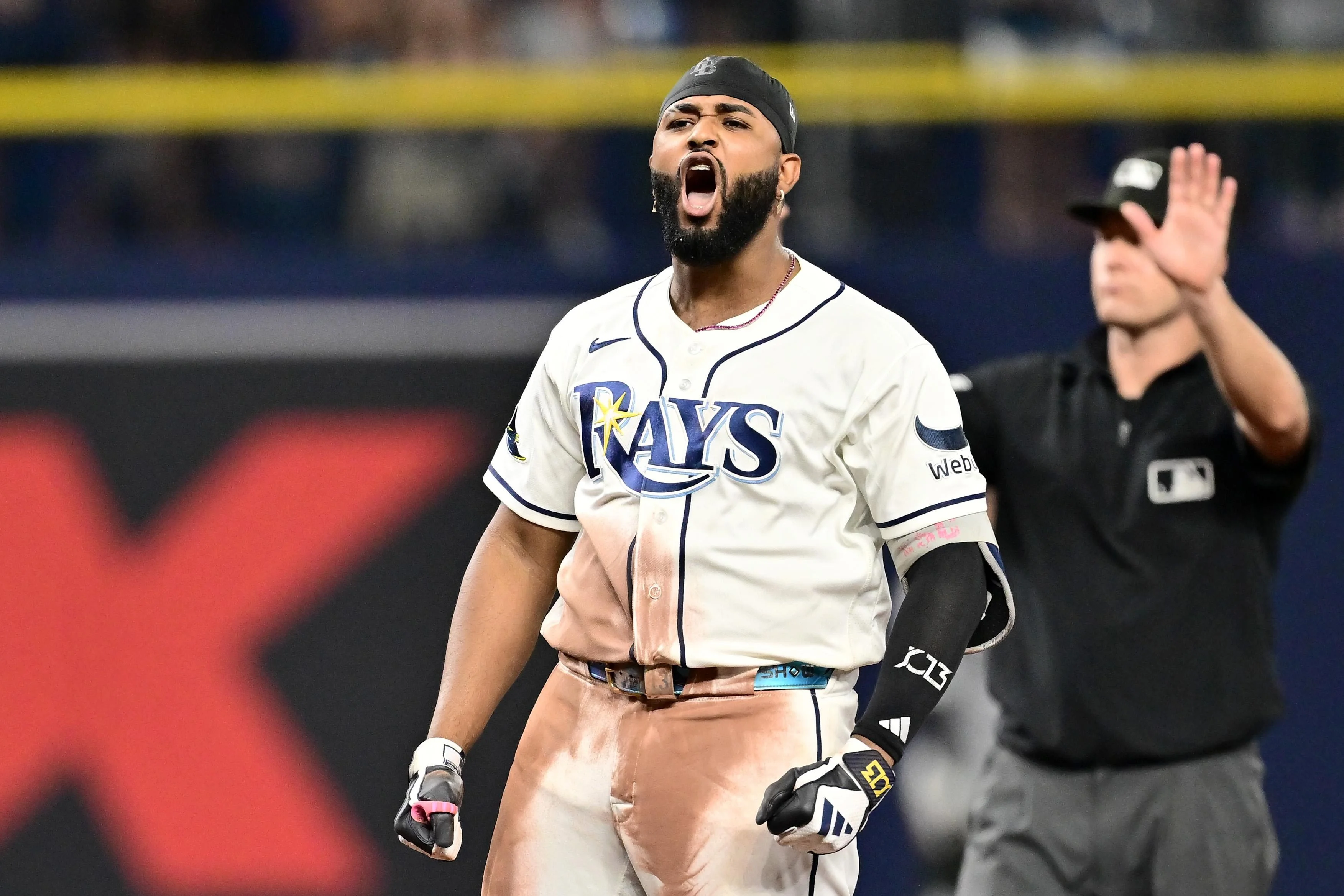
Cleveland’s route into the American League Championship Series was steep, and the Guardians have already turned that momentum into a 1-0 lead over Tampa Bay. They beat the Rays 7-3 in Game 1 after recovering from an 0-2 deficit against the Chicago White Sox in the division series. That sequence gives Cleveland a useful measure of what it can withstand: the club was down early against Chicago, kept playing, and earned its place in this matchup. A strong opening result now gives the Guardians a chance to make Tampa Bay answer questions sooner than expected.
The matchup still favors Tampa Bay on paper. The top-seeded Rays swept the New York Yankees and won five of six regular-season games against Cleveland. Those results offer a reason to rate the Rays highly, but they don’t decide what happens in a short postseason series. Cleveland has shown it can respond under pressure, and the pitching choices in the next few games could shape the series. Here's the thing: a 1-0 lead matters, but it doesn't erase the difference in rest or the history between these teams.
ALCS schedule and scores
All listed times are Eastern. Games 5 through 7 will be played only if necessary. For viewers, the schedule sets out a series that could move quickly if one team builds an early advantage, or stretch into a longer test of pitching depth. The listed broadcast options are TBS, truTV, and HBO Max for Games 2 through 7.
Game 1: Monday, October 2
Guardians 7, Rays 3 (Cleveland leads 1-0)
Game 2: Tuesday, October 13
Guardians at Rays, 8:00 p.m. on TBS, truTV, and HBO Max
Game 3: Thursday, October 15
Rays at Guardians, 6:00 p.m. on TBS, truTV, and HBO Max
Game 4: Friday, October 16
Rays at Guardians, 6:00 p.m. on TBS, truTV, and HBO Max
If the NLCS ends in a sweep, Game 4 would move to 8:00 p.m.
Game 5: Saturday, October 17
Rays at Guardians, 8:00 p.m. on TBS, truTV, and HBO Max
Game 6: Monday, October 19
Guardians at Rays, 8:00 p.m. on TBS, truTV, and HBO Max
If the NLCS lasts six games, Game 6 would move to 8:00 p.m.
Game 7: Tuesday, October 20
Guardians at Rays, 8:00 p.m. on TBS, truTV, and HBO Max
Tampa Bay dominated the regular-season meetings
The Rays’ 5-1 edge came across two three-game sets, one in Cleveland in April and another in Tampa Bay in July. Tampa Bay took the first two games in April, winning 3-2 and then 1-0 behind Nick Martinez. Jonathan Aranda drove in Taylor Walls with the game’s only run on a fifth-inning single. The margins in those games were narrow, but the outcomes still point to a recurring problem for Cleveland: Tampa Bay found ways to keep the Guardians’ scoring low and make a small lead hold up.
The July series tilted further toward the Rays. They opened with an 11-3 victory, powered by home runs from Ryan Vilade and Richie Palacios. Martinez then delivered six scoreless innings in a 3-0 win before handing the ball to a bullpen that protected the lead. The contrast between the opener and the next game is telling: Tampa Bay could win with a burst of offense, then follow with a quieter performance built around pitching. That flexibility makes the series history more relevant than a single lopsided score might suggest.
Tampa Bay completed the sweep of that series with a 1-0 win. Drew Rasmussen, Garrett Cleavinger, and Bryan Baker combined to limit Cleveland to one hit. That’s a blunt reminder of how little room the Guardians may have if their offense stalls. A one-hit game isn’t a forecast for this series, but it shows the Rays have previously been able to turn a low-scoring contest into a result in their favor.
Pitching depth shapes the series outlook
Cleveland’s five-game series against Chicago put pressure on Stephen Vogt to manage a staff that had just worked through a full division series. Gavin Williams may not be available until Game 3, while Parker Messick is a likely option for Game 2. That leaves the Guardians with a challenging setup early in the series. When a staff has recently been asked to cover several postseason games, decisions about rest and availability can narrow a manager’s options even before the next game begins. Cleveland’s immediate task is to get through that early stretch without spending too much of its pitching depth.
Tampa Bay, by contrast, enters after sweeping New York. Rasmussen is positioned to start Game 1 on extra rest and could return for Game 4, giving the Rays a path to use their ace three times if the series goes the distance. Junior Caminero, one of baseball’s breakout stars, adds another major threat to the lineup. The Rays’ rest advantage matters because it can give the club more room to plan around its strongest arms. But a possible three-start path depends on the series lasting long enough and the staff’s plans holding up.
If you're working in this space, the matchup is a useful reminder that postseason strength isn’t just a question of who has the better record. Availability, rest, and the order in which a team can use its pitchers all affect the choices a manager has. Cleveland’s Game 1 win shifts some pressure toward Tampa Bay, while the Rays’ deeper preparation gives them a plausible route back into control. And yet. The Guardians have already shown they can rally when a series starts badly.
What the opening result means
Cleveland has the early lead, but Tampa Bay’s rest advantage and regular-season results make the Rays a difficult opponent. The forecast here is Tampa Bay in six. That prediction assumes the Rays can translate their pitching position into wins and that the regular-season pattern carries some weight; neither assumption is guaranteed. The Guardians’ path is clearer: keep the pressure on early, make the Rays work for every run, and avoid letting the series become a test of available arms before Cleveland’s staff is ready.
This is more significant than it looks: Game 1 gives Cleveland a result to build on, but the series will turn on whether that momentum survives the shift to Tampa Bay and the teams’ different levels of rest. The numbers here are underwhelming as a guide to what comes next; five regular-season wins don’t explain how these clubs will handle a new set of matchups. For you as a viewer, the key question is whether Cleveland can keep the series close until its pitching options open up. Tampa Bay has the cleaner setup. Cleveland has the first win. The next games will show which advantage matters more.


